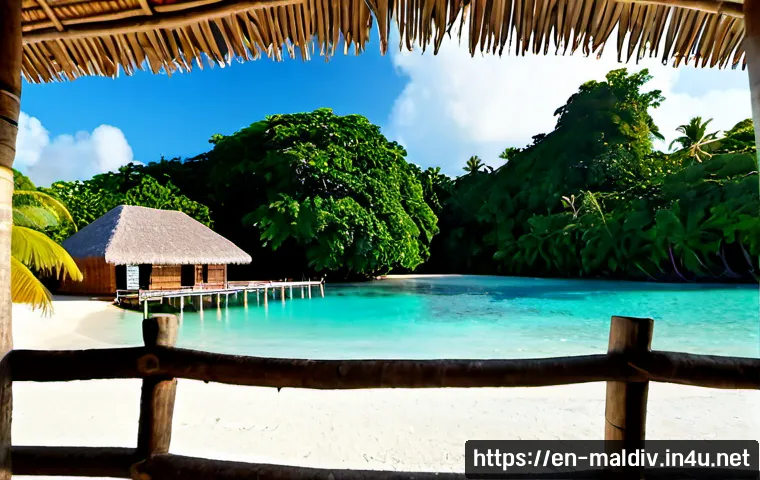
“Dhaniboshi” is not a widely standardized English term for a Maldivian traditional house, so it should be verified before it is used as a booking label.
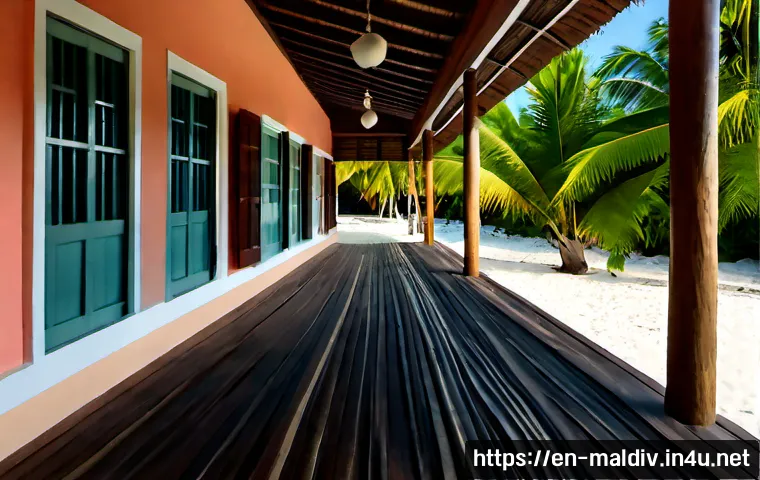
A heritage-style stay can still be a meaningful choice, but travelers should confirm the property’s name, location, access rules, and full transfer cost first.
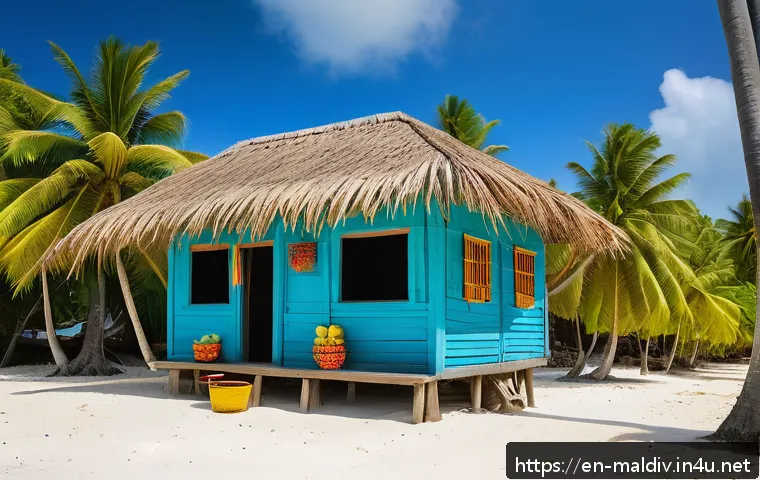
Traditional Maldivian homes reflect island conditions such as limited land, heat, salt air, monsoon rain, and coastal exposure. Older buildings may include timber, coconut-palm materials, and, in some historic structures, coral stone.
Today, many inhabited islands combine concrete homes and modern guesthouses with older architectural details or local building traditions. Comparing the cultural setting, privacy, amenities, and transport arrangements helps travelers choose the right island accommodation.
At a Glance
- Verify “Dhaniboshi” locally before treating it as a recognized Maldivian house type or historic accommodation category.
- Older island homes may reflect the use of timber, coconut-palm materials, and, in some historic buildings, coral stone.
- Confirm the name, location, access rules, and total transfer cost before choosing a heritage-style stay.
| Stay Type | Atmosphere and Local Access | Privacy and Comfort | Main Cost Drivers |
|---|---|---|---|
| Heritage-style guesthouse | Potentially closer to residential island life and local architecture | Varies widely by renovation level, room design, and amenities | Room type, meals, transfers, taxes, service charges, excursions |
| Modern local-island hotel | Located among inhabited-island communities, often with a more contemporary setting | Usually focused on predictable modern facilities | Room plan, air conditioning, meals, speedboat or domestic transfer |
| Private resort villa | Separate resort-island environment with less everyday community interaction | Often designed around privacy and resort amenities | Villa category, meal plan, transfer method, taxes and service charges |
What Is Known About the Name and Traditional Maldivian Homes?
Why the Term Should Be Verified Before It Is Treated as a Formal House Type
The word “Dhaniboshi” should not automatically be treated as a formal English-language category of Maldivian traditional housing. It may be a local spelling, a dialect term, a family name, a property name, or a mistransliteration. Before reserving a room or cultural tour, ask the operator what the name refers to and whether the building is historic, privately owned, open to visitors, or simply designed with heritage-inspired details.
A clear answer matters because accommodation marketing can use terms such as “traditional,” “authentic,” or “heritage” in different ways. A property may have local decorative elements without being an old residence. Another may be an older building that has been extensively renovated for present-day comfort. Neither option is automatically better; the important point is to know what you are booking.
Architectural Features Commonly Associated with Older Island Homes
Maldivian settlement patterns have long been shaped by small islands, coastal weather, monsoon rain, heat, and salt air. Traditional buildings historically used materials that were locally available, including timber and coconut-palm materials. Coral stone also appeared in parts of historic Maldivian architecture, including religious and civic structures.
Coral stone deserves careful context. Removing coral from reefs causes environmental harm and is restricted. A heritage discussion should focus on documented historic construction rather than treating coral as a decorative material to seek out for new buildings. If a property highlights coral features, ask whether they are historic, restored, or simply part of a description that needs clarification.
The Difference Between a Historic Home, a Heritage-Inspired Stay, and a Modern Guesthouse
A historic home may have a documented age, local significance, or preserved architectural fabric, although these details need confirmation from a reliable local authority or property operator. A heritage-inspired stay may use traditional forms, materials, or design references in a newer building. A modern guesthouse may be built primarily for current travel needs while still reflecting island hospitality and local culture.
When comparing island guesthouses, do not rely on one label alone. Look for a direct explanation of the building, recent photographs, room descriptions, and information about whether visitors can enter any older spaces.
Heritage-Style Guesthouse, Modern Hotel, or Resort Villa?
Comparison: Atmosphere, Privacy, Amenities, Local Access, and Cost Drivers
A heritage-style guesthouse may appeal to travelers who want a stronger sense of place and a closer view of life on an inhabited island. It can also require more questions about room layout, air conditioning, transfer timing, and access to common areas. A modern local-island hotel may offer a more predictable accommodation experience while keeping travelers within a community setting.
A private resort villa is a different model. It may suit travelers who prioritize privacy, resort facilities, and a self-contained holiday environment. It is not necessarily the best fit for someone whose main goal is residential-island culture or traditional architecture.
When a Local-Island Stay Offers Better Cultural Value
A local-island stay can be a good choice when your priority is community context rather than resort isolation. You may be closer to everyday island streets, local businesses, and guesthouse hosts who can explain practical customs. This does not mean every local-island property is historic or culturally focused, so ask what heritage experience is actually included.
When a Resort May Be the More Practical Choice
A resort may be more practical if you value private accommodation, resort-level amenities, and a simpler on-site arrangement. Before deciding, compare the total trip structure. A lower nightly room rate on one island may not tell the full story if meals, transfers, taxes, service charges, or excursions are separate.
How to Check a Property’s Cultural Claims Before Booking
Questions to Ask About the Building’s Age, Renovation, Ownership, and Visitor Access
Ask direct, neutral questions before booking: Is the building an older residence or a newer heritage-style property? Has it been renovated? Is it privately owned? Which spaces are open to overnight guests or day visitors? Can guests photograph exterior details, interiors, or nearby community areas?
Also ask whether the operator can explain the origin of the name “Dhaniboshi.” If the answer is vague, treat the term as a marketing description rather than verified architectural classification.
How to Identify Vague “Traditional” Marketing Language
Be cautious when a listing uses broad cultural language without practical detail. A useful listing usually explains the property setting, room facilities, island location, transfer options, and what guests can realistically experience. Phrases such as “authentic heritage” are more useful when supported by specific information about the building and access arrangements.
What Photographs and Descriptions Can—and Cannot—Confirm
Photos can help you evaluate visible details, room condition, outdoor space, and the surrounding island environment. They cannot reliably confirm a building’s construction date, cultural importance, material source, ownership history, or restoration quality. For those points, request confirmation from the property operator or a reliable local source.
Budget and Logistics for a Local-Island Heritage Experience
Room Rate Versus Total Trip Cost in Maldivian Rufiyaa and Foreign Currency Quotes

Accommodation may be quoted in Maldivian rufiyaa or a foreign currency. In either case, compare the full stay cost rather than the room rate alone. Check whether taxes and service charges are included, and ask about meal plans, transfers, air conditioning, and excursion fees.
Transfer Choices: Public Ferry, Speedboat, and Domestic Flight Considerations
Your island location can affect both planning and cost. Transfers may involve a public ferry, speedboat, or domestic flight arrangement. Confirm the available method, schedule, luggage conditions, arrival coordination, and whether the transfer charge is included in the accommodation quote.
Amenities That Can Materially Affect Value, Comfort, and Final Cost
For a heritage-style guesthouse, comfort can depend on practical details rather than appearance alone. Ask about air conditioning, private bathroom arrangements, meals, Wi-Fi, airport or harbor coordination, and excursion pricing. These factors can make one island accommodation option a better value even when its nightly rate appears higher.
Respectful Visiting Rules for Residential Islands
Privacy, Photography, and Permission Around Homes
Traditional-looking homes are often private residences, not visitor attractions. Ask permission before photographing homes, people, entrances, or community spaces. Religious sites and private properties may have separate entry and photography rules.
Clothing and Conduct Considerations Outside Resort Islands
Inhabited local islands have community norms that may differ from private resort islands. Dress and behavior should be respectful of the residential setting. A guesthouse host or local guide can clarify expectations for the island you are visiting.
Why Reef and Coral Protection Matters When Discussing Historic Building Materials
Historic coral-stone architecture can be culturally significant, but reef protection remains essential. Coral removal harms reef environments and is restricted. Travelers interested in architecture should appreciate documented historic structures without encouraging new coral extraction or treating coral as a souvenir material.
Selection Criteria and Comparison Summary
Choose a heritage-style stay if cultural context and local architectural character matter more than resort-level privacy. Choose a modern local-island guesthouse if you want community access with more predictable amenities. Choose a private resort villa if privacy and an all-in-one resort environment are your main priorities.
Before reserving, check the property name and meaning, island location, building description, transfer method, total price, included meals and amenities, visitor access rules, and cancellation terms. Compare the full stay cost—not only the nightly room rate—before reserving. For official details and current conditions, review the property’s booking information and transfer terms directly.
Closing Thoughts
A Maldivian heritage-style stay can add useful cultural context to an island trip, but the label should be checked carefully. “Dhaniboshi” may have a local meaning, yet it should not be assumed to describe a standardized house type without confirmation. The best booking decision comes from matching the property’s actual setting, comfort level, and logistics with your travel priorities.
Useful Things to Know
1. Local-island guesthouses and private resorts offer different travel environments.
2. Transfers can significantly affect the final accommodation cost.
3. Historic-looking materials or design features do not, by themselves, prove that a building is historic.
4. Respectful photography and entry practices are important around residential and religious spaces.
Important Notes
The exact meaning of “Dhaniboshi,” along with the history, ownership, restoration status, visitor access, room rates, and transfer fees of any specific property, requires direct confirmation. Descriptions and photographs alone may not establish cultural significance or the age of a building.
Frequently Asked Questions
Q1. Is Dhaniboshi a traditional Maldivian house type?
A1. It is not a widely standardized English term for a Maldivian traditional house. It may be a local term, alternative spelling, family name, property name, or mistransliteration, so verify its meaning with a reliable local source or property operator.
Q2. How can I find an authentic heritage-style stay in the Maldives?
A2. Ask whether the building is historic or heritage-inspired, whether it has been renovated, which areas guests may access, and what local cultural context is available. Check the island location, transfer arrangements, recent property details, and photography rules before booking.
Q3. Are local-island guesthouses cheaper than Maldives resorts after transfer costs?
A3. It depends on the island, season, room type, transfer method, meal plan, taxes, service charges, and excursions. Compare the complete stay cost, including ferry, speedboat, or domestic flight arrangements, instead of comparing nightly room rates alone.