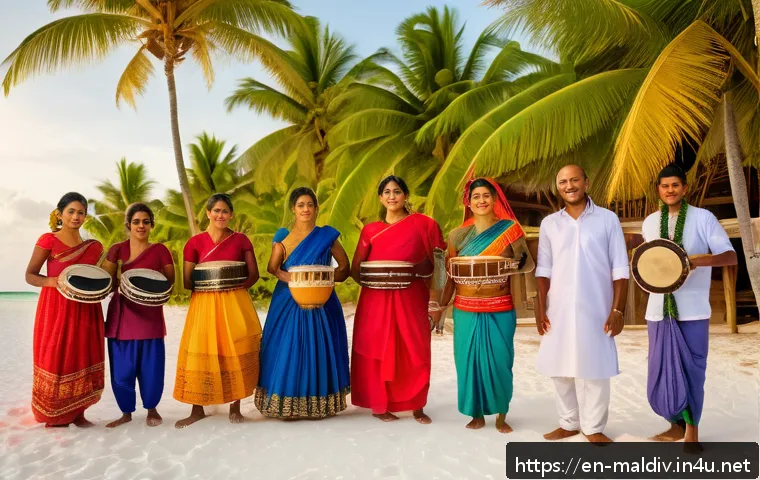
Lately, travelers are seeking more authentic experiences beyond the typical tourist spots, and Maldives’ traditional markets offer just that—a vibrant window into island life.
These bustling markets are alive with local flavors, handmade crafts, and the warm energy of the community. Exploring them reveals stories behind every spice, fabric, and smile, making your visit truly memorable.
If you’re curious about the real Maldives beyond the pristine beaches, join me on this colorful journey through its traditional markets. Trust me, it’s a refreshing way to connect with the culture and bring home unique treasures.
Immersing in Local Flavors: The Heartbeat of Maldivian Markets
Spices That Tell Stories
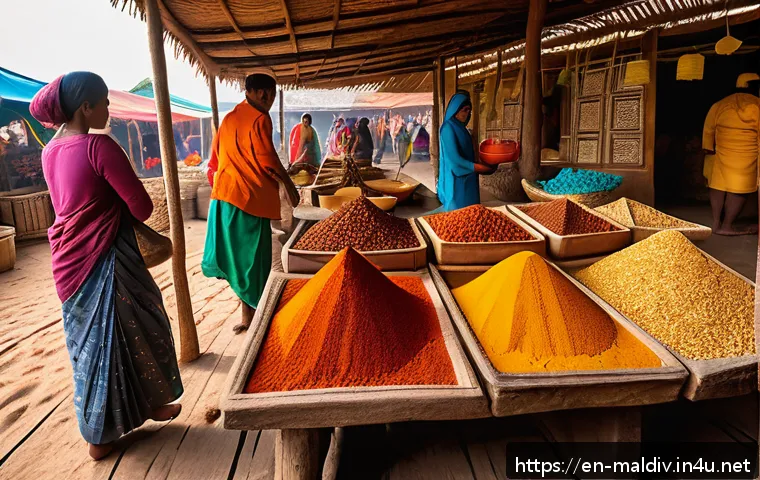
Walking through the traditional markets, the first thing that captures your senses is the aroma of spices. Unlike the uniform packaging you find in supermarkets, here spices are sold loose, piled high in vibrant mounds.
I remember chatting with a local vendor who proudly showed me turmeric and cardamom harvested right from their island garden. These spices carry generations of knowledge, not only about cooking but about the island’s history and trade routes.
Sampling a pinch of freshly ground chili powder or smelling fragrant cinnamon bark makes you realize that food here is deeply woven with culture. Each spice has a story, and tasting them is like tasting a piece of Maldivian heritage.
Handmade Crafts: More Than Souvenirs
Beyond the edible, the markets overflow with handmade crafts that reflect the artistry and traditions of Maldivian life. From delicate woven mats to intricately carved wooden bowls, every item speaks of hours spent perfecting skills passed down through families.
When I picked up a small lacquered box, the vendor explained how the craft helps sustain their community economically and culturally. These crafts are not just souvenirs; they are symbols of pride, resilience, and creativity.
Holding them, you feel connected to the hands that shaped them and the stories they embody.
The Warmth of Community Energy
What really sets these markets apart is the people. The vendors greet you with genuine smiles, eager to share not just their goods but their way of life.
I found myself lingering longer than expected, drawn into conversations about daily island rhythms, fishing traditions, and local festivals. The market is a social hub where neighbors meet, exchange news, and maintain bonds.
This lively atmosphere, buzzing with friendly chatter and laughter, makes shopping here less transactional and more like visiting an old friend’s home.
It’s this human connection that turns a simple market stroll into a memorable cultural experience.
Exploring Unique Ingredients: A Culinary Adventure
Seafood Fresh from the Ocean
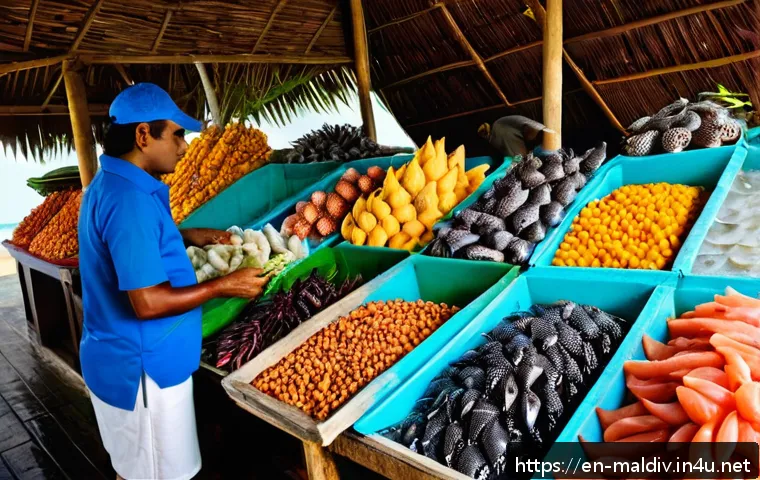
One of the market’s highlights is the fresh catch laid out early in the morning. The fishmongers proudly display varieties that are difficult to find elsewhere—reef fish, octopus, and even sea cucumbers.
I was amazed by how the locals identify each species and recommend cooking methods suited to their flavors. Witnessing the bustling trade of seafood firsthand gave me insights into the island’s reliance on the ocean not just for food but as a cultural cornerstone.
Sampling grilled fish seasoned with local herbs right there at a tiny stall was an unforgettable experience that made me appreciate Maldivian cuisine’s simplicity and freshness.
Exotic Fruits and Vegetables
Maldivian markets offer a colorful array of tropical fruits and vegetables that may seem unfamiliar to many visitors. From the spiky jackfruit to the sweet, creamy breadfruit, the diversity is a delightful surprise.
I recall trying a ripe papaya purchased from a cheerful vendor who sliced it right in front of me. The juicy sweetness was unlike anything I had tasted before, and learning about how these fruits are used in both sweet and savory dishes opened up new culinary horizons.
These fresh ingredients, often grown on small island farms, highlight the resourcefulness and agricultural traditions of the Maldives.
Traditional Cooking Staples
Besides fresh produce, the markets stock essential cooking staples unique to Maldivian kitchens. Dried tuna flakes, known locally as ‘Maldive fish,’ are a must-have ingredient that adds depth to many dishes.
I found myself fascinated by how these flakes are sun-dried and preserved, a technique perfected over centuries. Coconut, in many forms—grated, milk, oil—is another staple, and vendors often share tips on its versatile uses.
These staples are the foundation of the island’s distinct flavors and give travelers a tangible connection to Maldivian cooking methods and tastes.
Artisan Textiles and Traditional Attire
Colorful Fabrics and Their Meanings
The markets are a treasure trove of vibrant textiles that reflect Maldivian aesthetics and social customs. Brightly patterned fabrics catch your eye immediately, each color and design holding cultural significance.
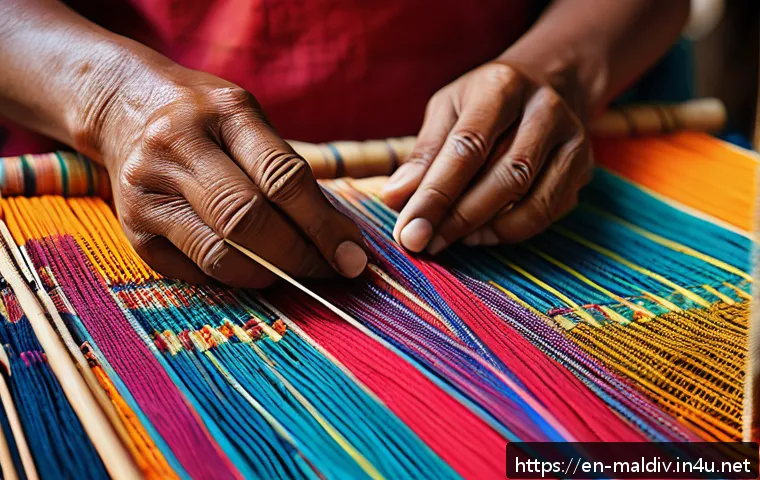
I was lucky enough to see women weaving and dyeing cloth using traditional methods, a painstaking process that demands patience and skill. Wearing or purchasing these textiles offers more than just a fashionable souvenir; it’s a way to honor and participate in Maldivian heritage.
The tactile experience of touching the fabric and hearing its story from artisans added a special depth to my journey.
Traditional Dress: The Dhivehi Identity
Traditional Maldivian dress, often showcased in market stalls, is more than clothing—it’s an expression of identity. The women’s ‘Libaas’ and men’s ‘Sarong’ are crafted with care and often worn during festivals and special occasions.
I observed vendors explaining the significance of patterns and how styles vary between atolls. Trying on a Libaas in a market stall was a fun, immersive experience that made me feel a little closer to local customs.
The pride locals have in their attire is infectious, and it’s easy to see how clothing here is a living part of cultural storytelling.
Supporting Local Artisans
Purchasing textiles and clothing directly from artisans at the market ensures that your money supports the community. Many of these craftspeople rely on market sales to sustain their livelihoods, and your interest encourages the continuation of these ancient traditions.
I noticed how small transactions sparked genuine gratitude and conversations about the craft’s challenges and joys. This direct connection between buyer and maker adds value to every purchase and makes shopping in Maldivian markets an ethical and rewarding experience.
Market Etiquette and Navigating Like a Pro
Engaging Respectfully with Vendors
One thing I quickly learned is that approaching vendors with respect and curiosity goes a long way. A warm greeting or a simple “hello” in Dhivehi, the local language, often opened doors to richer interactions.
Bargaining is common but should be done kindly and with a smile—vendors appreciate good humor and honesty. I found that showing genuine interest in their products and stories led to more meaningful exchanges than simply haggling for price.
This respectful approach not only enhances your experience but leaves a positive impression on the community.
Best Times to Visit for Authenticity
Early mornings are the liveliest, as fresh goods arrive and the market buzzes with energy. I recommend going at dawn if you want to see the full spectrum of goods and catch vendors in their element.
Late afternoons are quieter and offer a chance to chat without the rush, but some stalls may be less stocked. Weekdays tend to be less crowded than weekends, allowing for a more relaxed pace.
Planning your visit around these times helps you soak in the atmosphere and connect more deeply with the local rhythm.
What to Bring and Prepare
Carrying small denominations of local currency (Maldivian Rufiyaa) makes transactions smoother, as vendors may not have change for large bills. Bringing your own reusable bags is appreciated since plastic use is discouraged on the islands.
Comfortable shoes and light clothing help you navigate the sometimes sandy or uneven market floors. Lastly, having a camera ready lets you capture colorful moments, but always ask permission before photographing people, especially vendors.
Preparing thoughtfully ensures your visit is enjoyable and respectful.
Unique Finds and Souvenirs Worth Bringing Home
Handcrafted Jewelry and Accessories
Among the many treasures, handcrafted jewelry stands out as a favorite for many travelers. Made from shells, coral fragments, and sometimes recycled materials, these pieces are both beautiful and sustainable.
I bought a delicate bracelet that a local artisan explained was inspired by ocean waves, a symbol of the island’s connection to the sea. Wearing such items feels like carrying a piece of the Maldives with you, sparking conversations back home and memories of your trip.
Traditional Musical Instruments
For the culturally curious, markets sometimes offer traditional instruments like the ‘Bodu Beru’ drum or bamboo flutes. These instruments play a central role in Maldivian music and dance traditions.
I had the chance to watch a street performer demonstrate a drum rhythm, which was mesmerizing. Taking home a small instrument can be a unique memento, a reminder of the island’s rich cultural expressions and a fun way to share that heritage with friends.
Natural Beauty Products
Locally made beauty products, often crafted from coconut oil, sea salt, and herbal extracts, are popular among market shoppers. These natural products reflect the island’s resourcefulness and preference for eco-friendly ingredients.
I tried a handmade coconut oil balm that felt incredibly nourishing and fragrant, perfect for humid climates. Buying these products supports small-scale producers and gives you a chance to enjoy a bit of Maldivian self-care long after you leave.
Summary of Market Highlights and Tips
| Category | Key Features | Insider Tips |
|---|---|---|
| Spices & Ingredients | Loose, fresh, locally sourced spices and seafood staples | Sample small amounts; ask vendors about cooking uses |
| Handicrafts & Textiles | Woven mats, lacquerware, colorful fabrics, traditional attire | Support artisans by buying directly; learn about cultural meanings |
| Fresh Produce | Tropical fruits like jackfruit, breadfruit, and papaya | Visit early morning for best selection and freshness |
| Market Atmosphere | Friendly vendors, lively social hub, authentic island vibe | Greet vendors warmly; engage respectfully for deeper connections |
| Souvenirs | Handmade jewelry, musical instruments, natural beauty products | Choose items with cultural significance; ask about materials and stories |
Connecting Through Taste and Tradition
Tasting Local Snacks and Street Food
Markets are not just about shopping but also indulging in local flavors. I couldn’t resist trying snacks like ‘mas huni’—a mix of shredded tuna, coconut, and chili—served with flatbread.
Eating these simple yet flavorful treats right where they’re made gives you a direct link to everyday Maldivian life. The communal eating experience, often shared with other visitors or locals, adds warmth and spontaneity to the visit.
Learning Traditional Recipes from Vendors
Some vendors are more than sellers; they’re storytellers and teachers. I was fortunate to have a brief cooking demo where a vendor showed me how to prepare a basic Maldivian curry using fresh market ingredients.
This hands-on experience gave me a newfound appreciation for the balance of flavors and the use of natural ingredients. Taking home these recipes felt like bringing a piece of the Maldives into my own kitchen.
Experiencing Festivals and Market Celebrations
If your visit coincides with local festivals, markets transform into even more vibrant centers of culture. Music, dance, and special food stalls appear, creating a festive atmosphere that’s infectious.
I joined a small crowd watching a traditional dance performance in the market square, feeling the energy and pride of the community. Experiencing the markets during these times offers a unique window into Maldivian celebrations and communal spirit.
Concluding Thoughts
Visiting Maldivian markets offers more than just shopping—it’s an immersive journey into the island’s culture, flavors, and community spirit. Every spice, craft, and smile tells a story that connects you to the heart of local life. Whether you’re tasting fresh seafood or admiring handmade textiles, these experiences create lasting memories that enrich your travel. Embracing the markets with an open mind and respectful attitude truly reveals the soul of the Maldives.
Helpful Tips to Keep in Mind
1. Visit early in the morning to enjoy the freshest produce and catch the market at its liveliest.
2. Bring small bills in local currency to make transactions easier and smoother for vendors.
3. Approach vendors with warmth and genuine curiosity to build meaningful connections and learn more about their crafts.
4. Carry reusable bags to support the islands’ eco-friendly efforts and reduce plastic waste.
5. Always ask permission before photographing people to respect their privacy and foster goodwill.
Key Takeaways for Your Market Experience
Understanding and respecting local customs enhances your visit and helps maintain positive relationships with the community. Supporting artisans and vendors directly ensures your spending benefits the people behind the products. Being mindful of market etiquette, such as polite bargaining and greetings, enriches interactions and opens doors to authentic stories. Lastly, embracing the vibrant atmosphere with patience and an open heart transforms a simple market trip into a meaningful cultural exchange.
Frequently Asked Questions (FAQ) 📖
Q: What can I expect to find in the traditional markets of the Maldives?
A: The traditional markets in the Maldives are a lively mix of sights, sounds, and smells that reflect the island’s culture. You’ll discover fresh local produce, aromatic spices, handwoven fabrics, and unique handmade crafts.
The markets are also a great place to experience the genuine warmth of Maldivian people, as vendors often share stories about their products and traditions.
It’s like stepping into a vibrant snapshot of daily island life, far beyond the usual tourist scene.
Q: Are the traditional markets in the Maldives tourist-friendly?
A: Absolutely! While these markets are authentic local hubs, they warmly welcome visitors curious about Maldivian culture. Many vendors understand basic English and are happy to engage with travelers.
It’s a relaxed environment where you can ask questions, sample local treats, and even negotiate prices in a friendly way. Just remember to respect local customs and enjoy the experience with an open heart—this approach makes the visit more rewarding.
Q: What tips do you have for shopping in Maldives traditional markets?
A: From my experience, it’s best to visit early in the day when the markets are freshest and less crowded. Bring cash in small denominations, as many stalls don’t accept cards.
Don’t hesitate to haggle politely—it’s part of the culture and often expected. Also, take your time to chat with vendors; their stories add so much value to your purchases.
Lastly, try local snacks or fresh coconut water while you browse—it really enhances the sensory experience!