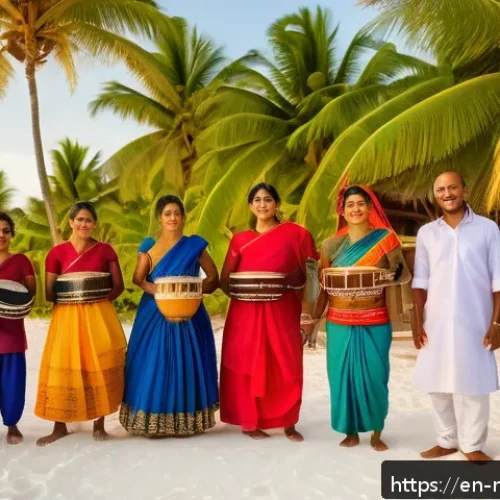
Have you ever wondered what makes the Maldives so enchanting beyond its turquoise waters and white sandy beaches? It’s the rich Dhivehi language and vibrant culture that truly bring this island paradise to life.

As more travelers seek authentic experiences, understanding Dhivehi opens doors to deeper connections with locals and their traditions. In today’s post, we’ll dive into the basics of this unique language, sharing insights that go beyond typical travel guides.
Whether you’re planning a trip or simply curious about linguistic diversity, this beginner’s guide will spark your curiosity and enrich your appreciation for Maldivian heritage.
Let’s embark on this fascinating journey together!
Unlocking the Sounds: Pronunciation and Alphabet Essentials
Getting Familiar with Thaana Script
The Dhivehi language is written in a beautiful and unique script called Thaana, which might look mysterious at first glance. What’s fascinating is that Thaana is written from right to left, similar to Arabic, but it has its own distinct characters.
I remember staring at the script during my first trip, feeling like I was deciphering a secret code. The alphabet consists of 24 letters, and each symbol represents a consonant with vowel sounds indicated by diacritical marks.
This system makes reading a bit tricky initially, but once you get the hang of the patterns, it feels rewarding. Thaana evolved centuries ago and is deeply tied to the Maldivian identity, so knowing even a few characters can make your experience feel more authentic and respectful when you’re interacting with locals or reading signs.
Mastering the Pronunciation Nuances
Pronunciation in Dhivehi can be surprisingly melodic yet distinct from other South Asian languages. Certain consonants have soft, almost whisper-like sounds, while vowels can vary significantly depending on their placement in a word.
For example, the “dh” sound is softer than you might expect, and vowels like “aa” are drawn out longer, giving words a lyrical rhythm. When I first tried mimicking locals, I noticed how vital these subtle differences were — a small slip could turn a greeting into gibberish!
Listening to native speakers is the best way to internalize these sounds. Plus, most Maldivians are thrilled when visitors make an effort to speak their language, which often leads to warm smiles and more engaging conversations.
Basic Dhivehi Greetings to Break the Ice
Starting with greetings is always the easiest and most rewarding way to begin learning any language, and Dhivehi is no exception. Common phrases like “Assalaamu Alaikum” (peace be upon you) are widely used, reflecting the Islamic culture of the islands.
Another popular phrase is “Kihineh?” which means “How are you?” Learning to say “Shukuriyaa” (Thank you) and “Baajjeveri hen’dhuneh” (Goodbye) can instantly create a friendly connection with locals.
When I used these greetings during my stay, I noticed how people’s faces lit up, and they often reciprocated by teaching me more words. It’s a simple yet powerful way to show respect and curiosity about Maldivian culture.
Exploring Dhivehi Grammar: Building Blocks of the Language
Sentence Structure and Word Order
Unlike English’s subject-verb-object order, Dhivehi typically follows a subject-object-verb pattern, which can feel a bit backward at first. For example, “I eat fish” translates roughly to “I fish eat.” It took me a while to wrap my head around this, but once I started practicing with simple sentences, the flow became more natural.
The grammar rules are not overwhelmingly complex, but you have to pay attention to verb endings and subject markers that indicate tense and respect. This subtlety adds layers to everyday conversations, reflecting social nuances and politeness, which are very important in Maldivian culture.
Verb Conjugations and Tenses
Dhivehi verbs change form depending on tense, person, and mood, similar to many other languages. There are clear distinctions between present, past, and future tenses, but what’s interesting is how the language uses suffixes to convey respect or familiarity.
For example, when speaking to elders or strangers, you use a different verb form compared to talking with close friends. I found this aspect particularly fascinating because it mirrors the communal and hierarchical nature of Maldivian society.
Practicing these verb forms in context, like ordering food or asking directions, helped me appreciate the language’s rhythm and social etiquette.
Essential Pronouns and Their Usage
Understanding pronouns is crucial for building basic sentences, and Dhivehi offers a straightforward set of personal pronouns for “I,” “you,” “he/she,” “we,” and “they.” What stands out is the polite form “you” which is different from the casual one, reflecting how respect is embedded in daily speech.
Using the right pronoun can change the tone of your conversation from informal to courteous, which is key when interacting with locals. When I first learned these pronouns, I often mixed them up, but locals were patient and even corrected me gently, making the learning process enjoyable and immersive.
Common Phrases for Travelers: Navigating Daily Life
Ordering Food and Drinks
One of the most practical areas where Dhivehi phrases come in handy is at restaurants and cafes. Simple expressions like “Mihaaru miyeh?” (What’s the special today?) or “Hedhuneh?” (Is this spicy?) helped me avoid confusion and discover authentic Maldivian dishes.
I recall ordering “Mas huni,” a traditional tuna coconut mix, and using my limited Dhivehi made the interaction more fun and less transactional. Knowing these phrases not only eased communication but also showed the staff that I appreciated their culture, often leading to small conversations about local cuisine or recommendations.
Asking for Directions and Transportation
Getting around the islands can be a challenge without some language basics. Phrases like “Kuda ge’thah?” (Where is the bus stop?) or “Mihaaru ferry kuda?” (When is the next ferry?) proved invaluable during my explorations.
I also learned to say “Mihaaru taxi?” (Is there a taxi?), which is quite helpful since many islands rely on boats and limited road transport. Using these expressions made me feel more confident and less dependent on translators or digital apps, allowing for spontaneous adventures and genuine encounters with locals.
Shopping and Bargaining
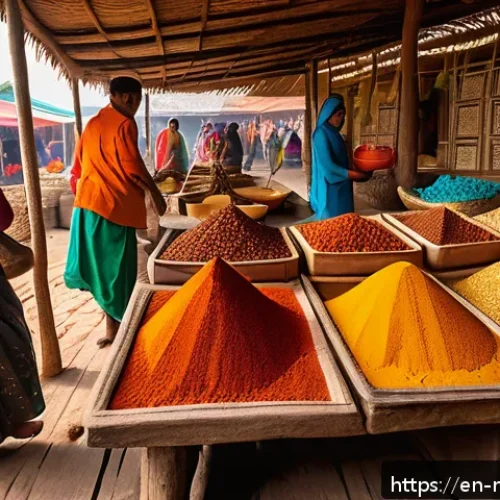
Markets in the Maldives are vibrant places full of colorful goods and friendly vendors. Learning phrases such as “Fiyavalhu?” (How much?) and “Hedhuneh baajje?” (Can you give a discount?) was a game-changer.
I remember haggling over handmade souvenirs and fresh coconuts, and even though my Dhivehi was basic, the effort often led to better deals and laughs.
This interaction not only saved money but also created memorable moments, highlighting the warmth and humor of Maldivian people.
Understanding Cultural Expressions and Idioms
Greetings Beyond Words
In Maldivian culture, greetings often involve more than just words—they include gestures and expressions that signify respect and warmth. For example, a slight bow or placing your hand over your heart when saying hello is common and appreciated.
I experienced this firsthand when locals greeted me with a warm smile and a respectful nod, which instantly made me feel welcomed. These non-verbal cues are an essential part of the Dhivehi-speaking world and offer insights into the values of kindness and humility deeply rooted in Maldivian society.
Popular Proverbs and Their Meanings
Dhivehi is rich with proverbs that reflect the wisdom and lifestyle of islanders. One favorite is “Fahu miadhu ulhey” which means “Patience is sweet.” This simple saying is often used to encourage calmness and perseverance in daily life, especially important in a place where nature’s rhythms dictate much of the routine.
Another proverb, “Gihiyyaa kureveyne” or “Unity is strength,” echoes the strong community ties that help islanders thrive despite geographic isolation.
Learning these idioms gave me a glimpse into the heart of Maldivian philosophy and made conversations feel more meaningful.
Expressing Emotions and Politeness

Expressing feelings in Dhivehi is nuanced, with specific words and phrases conveying subtle emotions or respect. For instance, to politely express gratitude, you say “Shukuriyaa,” but adding “bodu” (meaning “big” or “great”) intensifies the sentiment, showing deeper appreciation.
I found that mastering these polite expressions opened doors to warmer interactions and often invited stories or shared experiences from locals. Understanding how to navigate emotional expression in Dhivehi enhanced my ability to connect on a personal level, making my travel experience more enriching.
Dhivehi in Modern Maldives: Language and Technology
Dhivehi’s Role in Education and Media
Dhivehi remains the official language of the Maldives and plays a vital role in schools, television, and radio. When I visited local schools, I noticed children learning Dhivehi alongside English, reflecting the country’s bilingual approach.
Television shows and news broadcasts are mostly in Dhivehi, providing a window into daily life and current events for locals. This presence in media ensures that the language stays vibrant and relevant, bridging generations while preserving cultural identity.
For travelers, tuning into local TV or radio can be a fun way to practice listening skills and absorb authentic language use.
Digital Tools and Apps for Learning Dhivehi
Technology has made learning Dhivehi more accessible than ever. There are mobile apps and online resources that provide interactive lessons, pronunciation guides, and vocabulary drills.
Personally, I found using a language app with audio clips extremely helpful, especially for mastering the unique sounds of Thaana script. Some apps also include cultural notes, which enriched my understanding beyond just words.
These tools are perfect for travelers who want to prepare before their trip or anyone curious about this fascinating language. Incorporating technology into learning Dhivehi not only saves time but also adds a layer of fun and engagement.
Challenges and Opportunities in Language Preservation
Despite its importance, Dhivehi faces challenges from globalization and the increasing dominance of English, especially among younger generations. However, efforts to preserve and promote the language through education, literature, and cultural programs are strong.
I was impressed by local initiatives encouraging youth to embrace their linguistic heritage while also gaining global skills. This balance reflects a broader cultural resilience and pride.
For visitors, supporting these efforts—whether by using Dhivehi phrases or appreciating local art—contributes to the ongoing story of this beautiful island nation.
Quick Reference: Essential Dhivehi Words and Phrases
| English | Dhivehi (Thaana Script) | Transliteration | Usage |
|---|---|---|---|
| Hello / Peace | އަސްސަލާމު ޢަލައިކުމް | Assalaamu Alaikum | Common greeting among locals |
| Thank you | ޝުކުރިޔާ | Shukuriyaa | Expressing gratitude |
| Goodbye | ބާޖްޖެވެރި ހެނދުނެ | Baajjeveri hen’dhuneh | Parting phrase |
| How are you? | ކިހިނެއް؟ | Kihineh? | Asking about wellbeing |
| Yes | އައްސަ | Aasa | Affirmative response |
| No | ނޫން | Noon | Negative response |
| Please | ބައިވެއްޖެ | Bai vejeh | Polite request |
| Excuse me / Sorry | އިންޓުރަސްޓް | Intrust | Apologizing or getting attention |
Connecting Through Language: Real Stories and Experiences
How Speaking Dhivehi Opened Doors
During my stay, I vividly remember a moment when I tried to order food using just a few Dhivehi phrases I had learned. The waiter’s eyes brightened, and he started sharing stories about local delicacies and their cultural significance.
This small exchange blossomed into a longer conversation, where I even got invited to a traditional family gathering. It was a reminder that language is more than communication—it’s a bridge to genuine human connection.
Such experiences made my trip unforgettable and gave me a profound appreciation for the people behind the words.
Tips for Practicing Dhivehi on the Islands
If you’re planning to practice Dhivehi during your visit, my advice is to start small and be patient. Locals appreciate any effort, even if your pronunciation isn’t perfect.
Try repeating phrases you hear in markets, cafes, or on ferries. Don’t hesitate to ask for corrections or explanations—most people are happy to help. Bringing a pocket phrasebook or using a language app can boost your confidence.
Also, watching local TV shows or listening to music in Dhivehi can make learning enjoyable and less intimidating. Immersing yourself in everyday situations is by far the best classroom.
Why Learning Dhivehi Enriches Your Maldivian Adventure
Beyond convenience, speaking even a little Dhivehi shows respect and genuine interest in Maldivian culture. It transforms you from a mere tourist into a welcomed guest, unlocking deeper stories and traditions that remain hidden to those who don’t try.
Personally, I found that understanding the language gave me a new perspective on the islands’ history, values, and community spirit. It also sparked friendships and moments of shared laughter that no guidebook could offer.
So, whether for curiosity or travel, learning Dhivehi is a rewarding journey in itself.
Closing Thoughts
Learning Dhivehi opens a unique window into the Maldivian culture, making your travel experience richer and more authentic. Even a small effort to speak the language can create meaningful connections and warm interactions with locals. Embracing the language is not only practical but also a respectful way to honor the islands’ heritage. Whether for curiosity or communication, Dhivehi offers a rewarding journey beyond words.
Helpful Tips to Remember
1. Start with basic greetings and common phrases to build confidence and show respect to locals.
2. Practice listening to native speakers through media or conversations to grasp pronunciation nuances.
3. Use language apps and phrasebooks to reinforce vocabulary and grammar before and during your trip.
4. Don’t be afraid to make mistakes; locals appreciate genuine effort and often offer encouragement.
5. Immerse yourself in everyday situations like markets, cafes, or transport to naturally improve your skills.
Key Takeaways
Understanding Dhivehi’s script and pronunciation lays the foundation for effective communication and cultural appreciation. The language’s unique grammar and respectful forms reflect Maldivian social values, so using appropriate expressions fosters goodwill. Learning essential travel phrases enhances daily interactions, while embracing cultural idioms deepens your connection with locals. Finally, supporting language preservation efforts helps maintain this beautiful island heritage for future generations.
Frequently Asked Questions (FAQ) 📖
Q: Why should travelers learn basic Dhivehi phrases before visiting the Maldives?
A: Learning basic Dhivehi phrases can truly enhance your travel experience by allowing you to connect more meaningfully with locals. While many Maldivians speak English, using their native language shows respect and curiosity about their culture.
It often leads to warmer interactions, insider tips, and a deeper appreciation for the traditions that make the Maldives unique. From greetings like “Assalaamu Alaikum” to simple expressions of thanks, these small efforts create memorable moments beyond the typical tourist experience.
Q: How difficult is it to learn Dhivehi for beginners?
A: Dhivehi is considered a relatively approachable language for beginners, especially if you start with common phrases and basic vocabulary. Its script, Thaana, might seem unfamiliar at first, but many travelers don’t need to master reading and writing to get by.
Pronunciation can be tricky but with some practice and exposure, you’ll get the hang of it quickly. Personally, I found that listening to locals and trying out phrases in real conversations helped more than studying alone.
The key is to embrace the learning process with patience and curiosity.
Q: What cultural insights can I gain by understanding the Dhivehi language?
A: Understanding Dhivehi opens a window into Maldivian customs, values, and social norms that are often lost in translation. For example, certain phrases reveal the importance of respect and hospitality deeply rooted in the culture.
Language also reflects local stories, poetry, and religious influences that shape daily life on the islands. By engaging with Dhivehi speakers, you gain firsthand insights into community life, celebrations, and even traditional crafts.
It’s not just about words, but about immersing yourself in a living culture that thrives beyond its stunning landscapes.