7 Essential Tips for Getting Your Scuba Diving Certification in the Maldives

webmaster

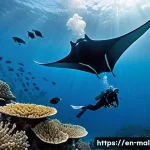
몰디브 스쿠버 자격증 - A serene underwater scene in the Maldives featuring a certified diver wearing a full set of modern s...

Diving into the crystal-clear waters of the Maldives is a dream for many adventure seekers, and earning a scuba certification here adds an unforgettable dimension to the experience.

몰디브 스쿠버 자격증 관련 이미지 1

The Maldives offers some of the most vibrant coral reefs and diverse marine life on the planet, making it an ideal place to learn and explore underwater.

Whether you’re a complete beginner or looking to advance your skills, getting certified in this tropical paradise ensures you dive safely and confidently.

Plus, the warm waters and calm currents create the perfect environment for mastering scuba techniques. Ready to embark on your underwater journey? Let’s dive deeper and explore all the essentials you need to know!

Choosing the Perfect Dive Center in the Maldives

Evaluating Safety and Certification Standards

When I first landed in the Maldives, the abundance of dive centers was a bit overwhelming. What helped me narrow down my choice was focusing on their adherence to international safety protocols.

You want a place that follows PADI or SSI certification standards because these organizations ensure consistent training and safety. Don’t hesitate to ask about their emergency procedures, instructor credentials, and equipment maintenance routines.

I found that centers with clear, transparent answers gave me much more confidence before diving in.

Location and Marine Life Variety

The Maldives is a vast archipelago, so the location of your dive center can drastically affect your experience. Some resorts and dive schools are closer to renowned spots like Banana Reef or Maaya Thila, where the marine biodiversity is breathtaking.

When I chose a center near South Ari Atoll, I was able to witness whale sharks and manta rays almost daily. Picking a dive center with easy access to varied dive sites means more chances to encounter different species and coral formations, which keeps every dive exciting.

Facilities and Equipment Quality

Having tried both budget and premium dive centers, I can say the quality of facilities and gear makes a big difference. Modern dive shops often provide well-maintained rental equipment, heated rinse tanks, and comfortable briefing rooms.

When I used a center with new regulators and BCDs, the dives felt smoother and safer. Always check if the gear fits well and ask if you can test it before your dive.

Poor equipment can quickly turn a dream dive into a stressful experience.

Advertisement

Understanding the Certification Process and Course Options

Beginner Courses: Open Water Diver

The Open Water Diver course is the gateway for many aspiring divers, and it’s designed to build your confidence underwater. From my experience, the course blends theory, pool practice, and open water dives, usually spread over 3 to 4 days.

You’ll learn essential skills like mask clearing, buoyancy control, and emergency procedures. The instructors are typically very patient, guiding you step-by-step.

The warm Maldivian waters made practicing these new skills feel less intimidating compared to colder dive spots I’ve been to.

Advanced and Specialty Courses

Once you’ve got your basic certification, the Maldives offers fantastic opportunities to push your limits. Advanced Open Water Diver courses often include night dives, deep dives, and underwater navigation, which I found both thrilling and challenging.

Specialty courses like underwater photography or wreck diving are also popular here. Taking these courses not only sharpens your skills but also enhances your appreciation of the underwater environment, making each dive more meaningful.

Certification Duration and Requirements

The time it takes to complete your certification can vary depending on your schedule and the dive center’s setup. Typically, an Open Water course requires around 3-4 days, while advanced courses might take 2-3 days.

You’ll need to pass a written exam, complete confined water sessions, and finish a series of open water dives. From my own journey, pacing yourself and not rushing through the sessions helped me retain knowledge better and enjoy the experience fully.

Advertisement

Best Times and Weather Considerations for Diving

Peak Diving Seasons in the Maldives

The Maldives has two main seasons: the dry northeast monsoon (December to April) and the wet southwest monsoon (May to November). I personally found diving during the dry season more pleasant due to calmer seas and better visibility, often exceeding 30 meters.

This period is also great for spotting larger marine creatures like manta rays and whale sharks. However, off-season dives during the wet months can be rewarding too, with fewer crowds and unique marine life behavior, but you should expect occasional rain and stronger currents.

Water Temperature and Visibility

The water temperature in the Maldives typically ranges between 27°C and 30°C (81°F to 86°F), which is incredibly comfortable for diving without needing a thick wetsuit.

I usually opted for a 3mm wetsuit or even just a rash guard for warmer days. Visibility is usually excellent, often between 20 to 40 meters, though it can fluctuate with weather and currents.

These conditions make it easier to focus on your skills and enjoy the vibrant underwater scenery.

How Weather Affects Dive Plans

One thing I quickly learned is that weather can be unpredictable. Sudden winds or rainstorms can alter dive schedules or limit which sites are accessible.

Dive centers often have backup plans and alternative sites, but it’s always smart to stay flexible. Early morning dives tend to have the best conditions, so I made it a point to get in the water early whenever possible.

Checking daily weather updates and listening to your dive guide’s advice can make all the difference in having a safe and enjoyable dive.

Advertisement

Essential Gear and Equipment for Your Certification Journey

What’s Provided and What to Bring

Most dive centers in the Maldives provide basic rental gear like masks, snorkels, fins, and tanks. However, I recommend bringing your own mask and snorkel if you have them since a well-fitted mask can hugely improve your comfort underwater.

For wetsuits, many centers offer rentals, but personal preference varies widely, so try before you rent. Don’t forget essentials like dive computers or underwater watches if you own them; these add safety and convenience during your training dives.

Choosing Comfortable and Reliable Equipment

During my certification, I realized that comfort often equals confidence underwater. Ill-fitting fins or masks can cause discomfort and distract you from focusing on skills.

몰디브 스쿠버 자격증 관련 이미지 2

I opted for adjustable fins with open heels and brought a silicone mask that sealed well on my face. Also, a good-quality snorkel with a purge valve made breathing exercises easier during pool sessions.

Investing in at least a few personal pieces of gear can make the learning curve much smoother.

Maintaining Equipment in Tropical Conditions

The salty, warm waters of the Maldives can be tough on gear if not properly cared for. I learned to rinse all equipment thoroughly with fresh water after each dive to prevent corrosion and damage.

Most dive centers offer rinse tanks, but having your own small fresh water spray bottle helped me clean gear during trips. Proper drying and storage are crucial, especially for regulators and wetsuits.

Taking care of your equipment ensures it lasts longer and performs well when you need it most.

Advertisement

Marine Life and Dive Sites You Can Expect to Encounter

Iconic Creatures of the Maldives

One of the best parts of diving in the Maldives is the chance to see some truly spectacular marine animals. During my dives, I was lucky enough to spot manta rays gliding gracefully near cleaning stations and whale sharks cruising the deeper waters.

The reefs are teeming with colorful reef fish, turtles, and sometimes even playful dolphins. Knowing what to expect helped me stay calm and observant, which in turn led to more memorable sightings.

Top Dive Sites for Beginners and Advanced Divers

The Maldives offers dive sites suited to all levels. For beginners, spots like Lankan Manta Point and Fish Head provide gentle currents and abundant marine life, perfect for practicing skills and gaining confidence.

More experienced divers can explore thrilling sites like Kuda Rah Thila or Maaya Thila, known for drift dives and encounters with pelagic species. I found mixing easy and challenging dives kept my excitement high while steadily improving my abilities.

Respecting the Environment and Sustainable Diving

While enjoying the underwater wonders, it’s crucial to respect the fragile coral ecosystems. I always made a conscious effort to avoid touching corals or disturbing marine creatures.

Many dive centers promote eco-friendly practices like reef-safe sunscreens and responsible buoyancy control. Participating in briefings about conservation and following guidelines not only protects the environment but also enriches your diving experience by fostering a deeper connection with the ocean.

Advertisement

Cost Breakdown and What to Budget For

Typical Pricing for Courses and Packages

Prices for scuba certification in the Maldives can vary widely depending on the dive center, course level, and inclusions. On average, an Open Water Diver course might cost between $400 and $600, including equipment rental, theory materials, and dives.

Advanced courses usually range from $300 to $500. Some resorts bundle certification with accommodation packages, which can provide better overall value.

From my experience, investing in a reputable center is worth the extra cost for quality instruction and safety.

Additional Expenses to Consider

Beyond the course fees, budget for extras like dive insurance, personal gear, and transportation to dive sites. While many dive centers include dive tanks and weights, some may charge for specialty equipment or night dives.

Food, tips for instructors, and optional underwater photography services also add up. I found it helpful to ask for a detailed price list upfront to avoid surprises and manage my budget effectively.

Comparison Table of Typical Costs

Item Estimated Cost (USD) Notes
Open Water Diver Course $400 – $600 Includes theory, pool, and open water dives
Advanced Open Water Course $300 – $500 Includes specialty dives like night or deep dives
Equipment Rental $50 – $100 Per course duration, may vary by gear type
Dive Insurance $30 – $60 Recommended for all divers
Underwater Photography $50 – $150 Optional, per dive or package
Advertisement

Wrapping Up

Diving in the Maldives offers an unforgettable blend of adventure and natural beauty, but choosing the right dive center and preparing properly are key to making the most of your experience. From understanding certification options to knowing when and where to dive, every detail contributes to safe and exciting underwater exploration. I hope these insights help you feel confident and inspired to dive into the Maldivian waters with ease and joy.

Advertisement

Useful Tips to Keep in Mind

1. Always verify the dive center’s safety protocols and instructor certifications before booking to ensure a secure diving experience.

2. Consider the location carefully; proximity to diverse dive sites can greatly enhance your underwater encounters.

3. Invest in personal gear like a well-fitting mask and fins to boost your comfort and confidence underwater.

4. Plan your dive trips during the dry season for optimal visibility and calmer seas, but don’t overlook the unique opportunities the off-season offers.

5. Budget not only for courses but also for extras like insurance, equipment rental, and optional photography to avoid surprises.

Advertisement

Key Takeaways for Your Maldives Dive Adventure

Choosing a reputable dive center with strict safety standards ensures peace of mind and a better learning environment. Understanding the certification process and picking the right course level aligns your skills with your goals. Timing your visit to match favorable weather and water conditions maximizes enjoyment and safety. Bringing or renting quality gear tailored to your comfort can improve your overall dive experience. Lastly, respecting marine life and supporting sustainable practices helps preserve the vibrant underwater world for future divers. Keeping these points in mind will make your Maldives diving journey truly rewarding and memorable.

Frequently Asked Questions (FAQ) 📖

Q: How long does it take to get scuba certified in the Maldives?

A: Typically, completing an Open Water Diver certification in the Maldives takes about 3 to 4 days. This includes a combination of classroom sessions, confined water (pool) training, and open water dives.
The warm, calm conditions here often help learners progress faster than in colder or rougher waters, making the whole experience enjoyable and efficient.

Q: Is it safe for beginners to get scuba certified in the Maldives?

A: Absolutely! The Maldives is actually one of the safest places for beginners to get certified. The water is warm, visibility is excellent, and currents are generally mild around popular dive sites.
Plus, the dive instructors are highly experienced and follow strict safety protocols. I’ve seen many first-timers gain confidence quickly thanks to the supportive environment and professional guidance.

Q: What marine life can I expect to see while training for my scuba certification in the Maldives?

A: You’re in for a real treat! During your training dives, it’s common to encounter vibrant coral reefs teeming with colorful fish, turtles gracefully gliding by, and sometimes even reef sharks or manta rays.
The biodiversity is incredible, and witnessing this underwater world firsthand makes the learning process even more thrilling and memorable.

📚 References


➤ Link

– Google Search

➤ Link

– Bing Search

➤ Link

– Google Search

➤ Link

– Bing Search

➤ Link

– Google Search

➤ Link

– Bing Search

➤ Link

– Google Search

➤ Link

– Bing Search

➤ Link

– Google Search

➤ Link

– Bing Search

➤ Link

– Google Search

➤ Link

– Bing Search

➤ Link

– Google Search

➤ Link

– Bing Search
Advertisement