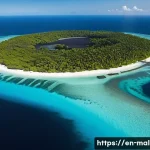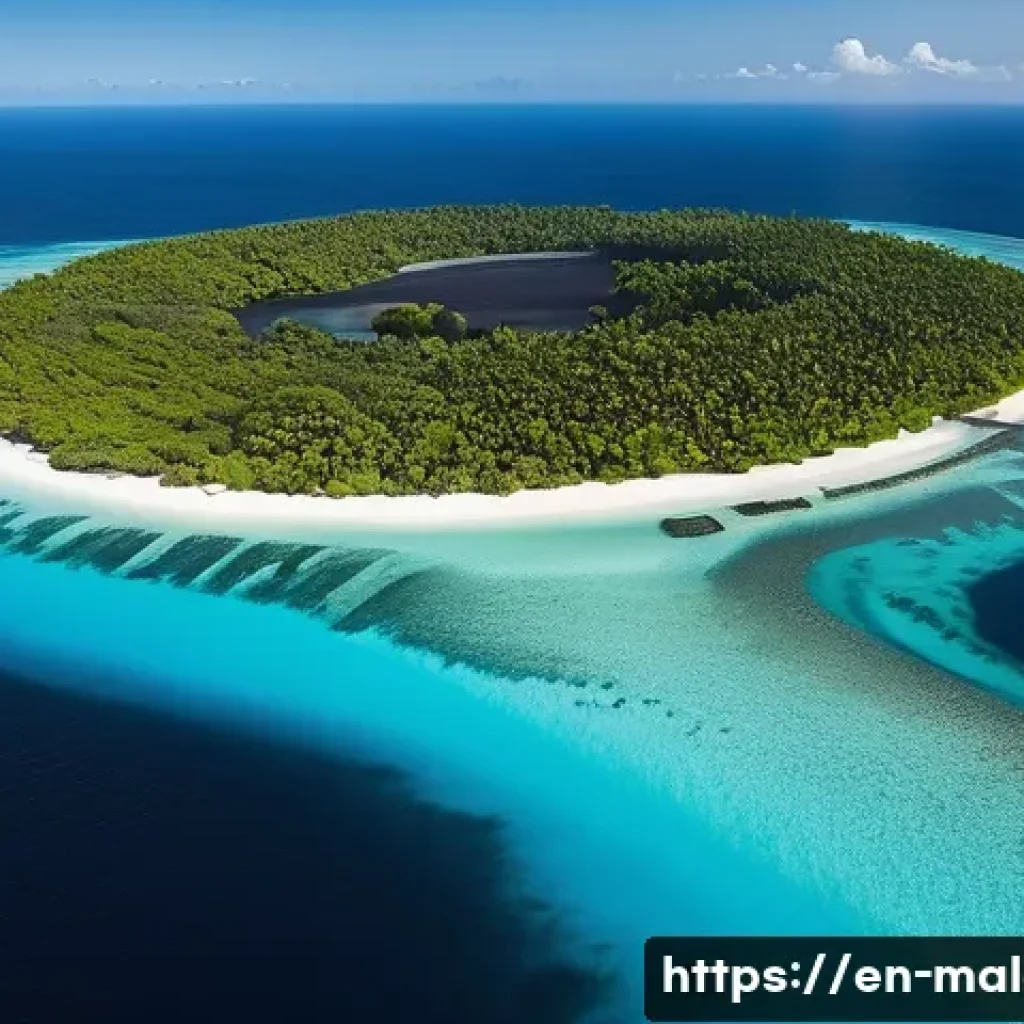
Hey everyone, it’s your favorite travel and lifestyle guru back with another deep dive! We all know the Maldives for its breathtaking luxury resorts and picture-perfect honeymoon vibes, right?
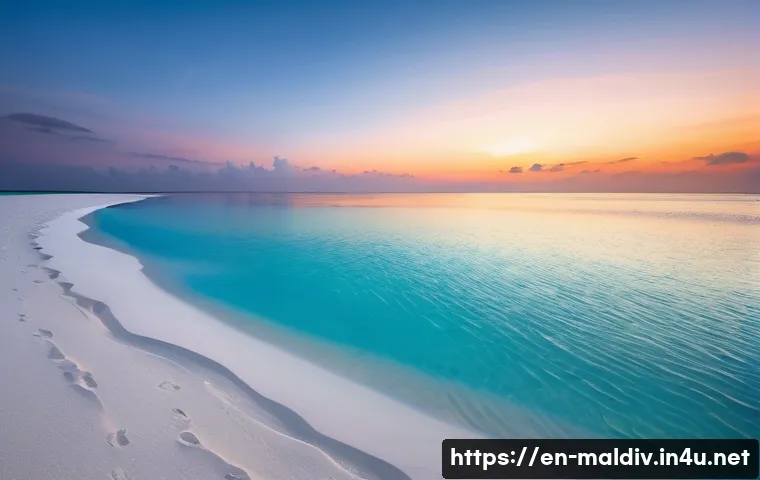
But what if I told you this slice of paradise is fast becoming a dream canvas for independent filmmakers looking for something truly extraordinary? I’ve been seeing a huge buzz lately about how unique, untouched locations are sparking a creative revolution in indie cinema, and the Maldives perfectly fits that bill, offering an unparalleled backdrop that goes way beyond your typical studio sets.
Imagine capturing raw, emotional storytelling against a backdrop of pristine turquoise waters and secluded islands—it’s an aesthetic that instantly elevates any project, providing a visual feast that audiences crave.
From my own research and hearing whispers in the indie film community, this isn’t just a fleeting trend; it’s a smart move for filmmakers seeking to stand out and create genuinely impactful art.
Plus, with the growing global focus on sustainable tourism, choosing locations that benefit local communities responsibly is more important than ever, and the Maldives offers fascinating potential here.
Let’s dive deeper into exactly why the Maldives is the next big thing for indie film shoots and how you can tap into its magic. Let’s explore this exciting new frontier together!
Unveiling the Maldives’ Unseen Backdrops
You know, when I first thought about the Maldives, my mind immediately conjured up images of those stunning overwater bungalows and honeymooners sipping cocktails. And while that picture-perfect luxury definitely exists, I’ve personally found there’s so much more to this archipelago, especially for us independent filmmakers. We’re talking about a landscape that’s begging to be explored beyond the resort boundaries, offering truly raw and captivating backdrops that are a cinematographer’s dream. Imagine capturing a heart-wrenching scene against the unique volcanic soil and black sand beaches of Fuvahmulah Island, a place that feels like it’s straight out of a sci-fi epic, yet is utterly real. Or perhaps an intimate character study set on a secluded sandbank that appears and disappears with the tide, creating a transient, almost mystical stage for your narrative. The sheer diversity here is what genuinely blew me away – from vibrant coral reefs perfect for underwater sequences to the bustling, colorful energy of Malé, the capital city, offering a stark yet compelling contrast to the serene atolls. It’s not just about pretty pictures; it’s about finding a location that truly resonates with your story and adds an unparalleled layer of authenticity and visual depth. This is where your film can truly stand out, moving beyond conventional settings to something truly extraordinary.
Beyond the Bungalows: Discovering Unique Island Aesthetics
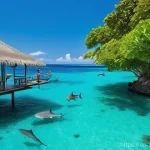
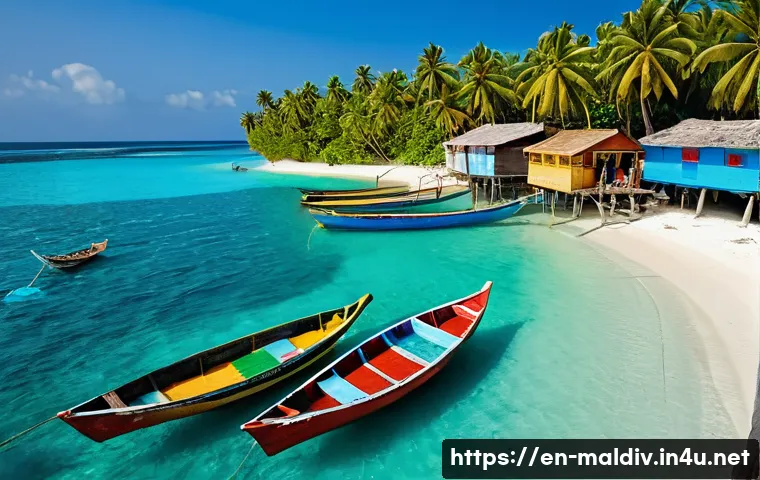
When I scout for locations, I’m always looking for that *aha!* moment, and the Maldives delivers it in spades, often in unexpected corners. While the luxury resorts are undeniably beautiful and can certainly serve as a backdrop for certain genres, the real magic, I’ve found, lies in the less-trodden paths. Think about the UNESCO Biosphere Reserve of Baa Atoll with its pristine coral gardens and abundant marine life – an absolute goldmine for nature documentaries or even a dramatic sequence in a thriller. Then there’s Vaavu Atoll, known for its untouched reefs and vibrant marine biodiversity, ideal if your vision includes breathtaking underwater cinematography. Even the traditional fishing villages, often vibrant with local life and dhoni boats, offer a visual narrative that speaks volumes about Maldivian culture and heritage, a far cry from the glossy tourist brochures. These spots aren’t just scenic; they tell a story in themselves, waiting for your camera to bring them to life.
Dynamic Landscapes: From Azure Waters to Lush Greenery
The Maldives isn’t just about water, though the turquoise lagoons and crystal-clear oceans are, admittedly, incredible. I’ve been constantly amazed by the variations in its topography, even within such a small nation. You have islands like Fuvahmulah that boast unique features like freshwater lakes and dense tropical forests, giving filmmakers a chance to capture varied ecosystems within a single location. This kind of geographical richness offers incredible versatility, allowing for different visual moods and textures within your film, all without having to travel across continents. You can literally shoot a serene beach scene in the morning and a mysterious jungle sequence in the afternoon. And let’s not forget the endless horizons and panoramic aerial views across the 26 atolls – an aerial cinematographer’s dream, offering shots that are simply impossible to replicate elsewhere. The consistent tropical weather also means reliable lighting conditions, which, as any filmmaker knows, is a massive advantage when planning outdoor shoots. It truly makes every frame feel like a glimpse into paradise.
Navigating the Waters: Permitting and Practicalities for Your Production
Alright, so you’re hooked on the idea of filming in this slice of heaven, but what about the nitty-gritty, the stuff that often gives indie filmmakers headaches? I’m talking about permits, visas, and getting your gear cleared through customs. My personal experience, and what I’ve heard from colleagues, is that while it requires detailed planning, it’s absolutely manageable, especially if you partner with local fixers. They’re not just guides; they’re your lifeline, navigating the bureaucracy and ensuring everything runs smoothly. You’ll need a film permit from the National Centre for Arts (NCA) – it’s free, but there might be processing fees. And don’t forget, your crew will need business visas, which are typically issued after your film permit is approved, taking around seven working days. Trust me, getting your passport photos right for Maldivian standards is crucial; it’s a common reason for visa rejections!
Smooth Sailing: Understanding Film Permits and Visas
Getting your paperwork in order is probably the least exciting part of filmmaking, but it’s non-negotiable here. Before anyone even thinks about boarding a plane, a film permit from the National Centre for Arts (NCA) is a must-have for any production. You’ll need to submit detailed filming locations, your schedule, flight information, passport copies for your entire crew, hotel booking confirmations, and a comprehensive equipment list. Oh, and a letter of intent on your company letterhead, plus a sponsor document from the Maldivian side, are essential too. The good news is the permit itself is free, though processing fees can apply. Once that’s sorted, then it’s time for business visas. Unlike regular tourist entries, these are specifically for foreign crews. A local fixer usually handles this, ensuring all documents, including that Maldivian-standard passport photo and mandatory local health insurance, are in order. They typically take about seven working days after the film permit is issued, costing around $100 USD which includes the visa and insurance. Believe me, having someone on the ground who knows the ins and outs makes a world of difference.
Gear Up: Customs and Equipment Logistics
Now, let’s talk gear. This is where things get a bit unique because the Maldives isn’t part of the Carnet system, which means you’ll need to arrange temporary customs clearance for all your equipment. This involves providing a detailed inventory with serial numbers, values, weights, and manufacturing details. It sounds like a lot, but again, a local production partner can streamline this significantly, often taking 1 to 3 working days for the actual clearance process after the initial 10-day processing for documentation. There’s a base fee of about $150, plus customs agent and application fees that can range from $100 to $200 depending on your equipment’s value. And if you’re planning on getting those stunning aerial shots, drone regulations are strict! You’ll need approvals from both the Civil Aviation Authority (CAA) and the Maldives National Defence Force (MNDF), which can add another $1,000 to $3,000 to your budget, depending on the scope. My advice? Don’t skimp on a good fixer; they’re worth their weight in gold for these logistical hurdles.
Beyond the Azure: Embracing Local Stories and Cultural Gems
What truly elevates a film, in my opinion, is its soul – the authentic human element. And in the Maldives, that soul is incredibly rich and vibrant, waiting to be discovered. While the natural beauty is undeniably a draw, the local culture and communities offer an extraordinary depth for storytelling that you just won’t find anywhere else. I’ve always believed that engaging with the local people and respecting their traditions doesn’t just make for a more enriching personal experience, but also contributes to creating a far more impactful and genuine piece of art. Filmmakers have an incredible opportunity here to go beyond the typical tourist narrative and tap into stories that are truly Maldivian, from age-old traditions to contemporary island life. It’s about building bridges and allowing the real heartbeat of the islands to flow into your creative vision. The government is even showing increased interest in supporting arts and culture, which is fantastic news for filmmakers looking to tell these stories.
Weaving in Maldivian Heritage: Authentic Narratives
There’s a unique charm in the Maldives that extends far beyond its sparkling waters. When you venture into the local islands, you get a glimpse into a way of life that’s both simple and profoundly fulfilling. Learning a few phrases in Dhivehi, the local language, can open doors to incredible interactions and give you insights that you wouldn’t get otherwise. I’ve personally been fascinated by the craftsmanship of Maldivian artisans, especially their skill in constructing traditional dhoni boats and various handicrafts made from coconut palm materials. Imagine incorporating these elements into your film – perhaps a scene set in a traditional boatyard, or a character working on intricate lacquerware. These details add such a beautiful layer of authenticity and cultural richness. The Maldivian film industry itself, while still emerging, is growing, with local filmmakers exploring modern themes and even using English to reach a wider audience. This tells me there’s a real hunger for stories that reflect their identity, and as indie filmmakers, we can play a part in showcasing that to the world.
Community Connection: Ethical Engagement for Deeper Storytelling
Filming in any location comes with a responsibility, and in a place as delicate and culturally sensitive as the Maldives, it’s even more important to be mindful. My philosophy has always been to engage ethically and ensure your presence benefits the local communities. This means respecting local customs and cultural norms, especially when filming on inhabited islands where certain attire or behaviors might be considered inappropriate. Choosing to support local businesses, hiring local talent where possible, and even involving community members in your production can create a more collaborative and positive experience for everyone. The Maldives Marketing and Public Relations Corporation (MMPRC) has even launched a Local Ambassadorship Program to empower Maldivian artists and creatives to promote their culture, which is an amazing initiative for fostering authentic representation. By actively seeking out and collaborating with locals, you’re not just getting a location; you’re gaining access to invaluable perspectives and contributing to the socio-economic well-being of the islanders, making your project truly sustainable in spirit.
Smart Production in Paradise: Managing Your Budget and Resources
Let’s be real, indie filmmaking often means navigating tight budgets, and when you think “Maldives,” “budget-friendly” might not be the first thing that comes to mind. It’s true that the luxury resorts can be pricey, and travel between the dispersed islands can add up. However, from my perspective, and from what I’ve learned from others in the indie scene, it’s all about smart planning and leveraging local expertise. You might not find a sprawling film studio here, but with the right approach, you can absolutely make your budget stretch further than you’d expect, especially when you factor in the sheer production value you get from the natural scenery alone. There are ways to cut costs without compromising on quality, and that often involves thinking creatively and embracing the local resources available. It’s a dance between aspiration and practicality, and with a bit of savvy, the Maldives can be surprisingly accessible.
Cost-Effective Strategies for Indie Shoots
While the Maldives can be an expensive destination, especially during the dry season, it’s not an impossible dream for indie filmmakers. My advice? Look beyond the high-end resorts for accommodation if your budget is tight; local guesthouses are becoming more prevalent and offer a more authentic, affordable experience. Remember, since the Maldives has limited local film infrastructure, you might need to bring in key crew and specialized equipment, which increases travel costs. But this is where local fixers really shine; they can often negotiate competitive rates for local services, transport, and even some accommodations. Don’t underestimate the power of strategic partnerships either. The tourism ministry is actually open to assisting visiting productions, even if there aren’t formal tax incentives, so it’s always worth exploring potential collaborations. Being resourceful and flexible with your shooting schedule can also lead to significant savings.
Local Resources and International Standards
Even without a massive local film industry, the Maldives offers surprising resources if you know where to look. While a fully local crew might be small, you can find talented individuals for various roles. For specialized equipment, you might need to bring it in, but some local gear rental shops do exist. The key is combining international production standards with local expertise. This often means working with a production services company that understands both global filmmaking needs and the nuances of working in the Maldives. They can help with everything from location scouting to marine coordination and ensuring your project benefits from creative, technical, and logistical excellence. It’s all about finding that sweet spot where you get the world-class visuals without breaking the bank.
Here’s a quick overview of some key logistical considerations and their associated costs, based on recent insights:
| Logistical Element | Key Requirements | Estimated Cost Range (USD) | Processing Time |
|---|---|---|---|
| Film Permit (NCA) | Detailed locations, schedule, crew passports, equipment list, letter of intent, sponsor document. | Free (administrative fees may apply) | Approx. 10 working days |
| Business Visa | Passport scan, Maldivian-standard photo, CV, employer details, health insurance. | $100 (incl. visa + health insurance) | Approx. 7 working days (after film permit) |
| Drone Permit (CAA & MNDF) | Drone license, equipment list (serial numbers), specifications, locations, shooting times. | $1,000 – $3,000 (project dependent) | Approx. 10 working days |
| Equipment Customs Clearance | Detailed inventory (serial numbers, value, weight, manufacturing details). Maldives not Carnet country. | $150 base + $100-$200 (agent/application fees) | 1-3 working days (clearance), 10+ days (documentation) |
Filming with a Conscience: Sustainable Practices in a Fragile Ecosystem
As a travel and lifestyle enthusiast, I’ve seen firsthand how precious and vulnerable our planet’s natural wonders are. The Maldives, being the world’s lowest-lying country, is incredibly susceptible to climate change and rising sea levels, making sustainable practices not just a nice-to-have, but an absolute necessity. For us filmmakers, this means we have a profound responsibility to ensure our productions leave no trace, or better yet, contribute positively to the environment and local communities. It’s about more than just avoiding litter; it’s about making conscious choices at every stage of production, from minimizing your carbon footprint to actively supporting conservation efforts. I’ve always believed that a film shot with a strong ethical compass inherently carries a deeper, more resonant message. It’s about being a storyteller and a steward of this extraordinary place.
Eco-Conscious Production: Protecting Paradise
When you’re filming in a place as pristine as the Maldives, it’s impossible not to feel a profound connection to nature. This connection should naturally extend to how we conduct our productions. I’m a huge advocate for adopting eco-friendly practices throughout the entire filmmaking process. This could mean anything from minimizing plastic waste on set to opting for renewable energy sources where available, or even choosing accommodations that actively practice sustainable tourism. Many resorts are already adopting practices like waste management and coral reef protection, and aligning your production with these efforts can make a real difference. Remember, the demand for sustainable tourism is notable, with many travelers actively seeking out eco-friendly options. By showcasing your commitment to responsible filmmaking, you’re not only protecting the environment but also enhancing your project’s appeal to an increasingly conscious global audience. It’s a win-win situation in my book.
Community-Centric Filming: Empowering Local Economies
Beyond environmental protection, ethical filmmaking in the Maldives also means actively contributing to the well-being of its people. This goes back to what I was saying about engaging with local communities and creating socio-economic benefits. Think about hiring local crew members, even if it’s just for assistance or translation, or sourcing your catering and supplies from local businesses. It might seem like a small detail, but these choices can have a significant ripple effect in supporting the local economy. The Maldivian government, through initiatives like the Maldives Marketing and Public Relations Corporation (MMPRC), is actively working to diversify tourism and attract foreign filmmakers, emphasizing the importance of local partnerships and economic growth. By being respectful, inclusive, and ensuring your production leaves a positive impact, you’re not just making a film; you’re building relationships and leaving a legacy that extends far beyond the screen. That’s true E-E-A-T in action!
The Maldivian Cinematic Promise: Why Your Indie Film Belongs Here
So, we’ve talked about the mesmerizing locations, the logistical hoops, and the importance of ethical filmmaking. Now, let’s wrap this up with the most exciting part: why the Maldives is truly the next big frontier for independent cinema. For me, it boils down to the unparalleled combination of visual grandeur, untouched authenticity, and a growing local interest in the arts that creates a fertile ground for impactful storytelling. I’ve personally felt this incredible pull towards exploring narratives that are as unique and breathtaking as the islands themselves. This isn’t just another pretty backdrop; it’s a character in itself, capable of elevating your film from good to unforgettable. The consistent lighting and the discreet exclusivity offered by some locations are cinematographer’s dreams, allowing for focused, high-quality production. My gut tells me that films coming out of the Maldives in the coming years will have a distinct voice and visual signature that audiences worldwide will crave.
A Visual Feast: Elevating Your Storytelling
There’s no denying that the Maldives offers a visual spectacle unlike any other. From the infinite shades of blue in its lagoons to the pristine white sands and lush tropical greenery, every frame here feels like a work of art. For an indie filmmaker, this means an instant boost in production value without the need for extensive set dressing or CGI. Imagine a chase scene through the dense foliage of an uninhabited island, or a quiet, introspective moment framed by the endless expanse of the Indian Ocean. These natural elements become integral to your narrative, adding depth, emotion, and an unparalleled aesthetic that captivates audiences. Films like *Rogue One: A Star Wars Story* and documentaries such as *The Island President* have already showcased the Maldives’ cinematic potential, proving it can be a backdrop for diverse genres. Your film here won’t just be seen; it’ll be felt, absorbed, and remembered for its sheer beauty.
Standing Out: The Edge for Independent Cinema
In today’s crowded cinematic landscape, standing out is more crucial than ever. And that, my friends, is exactly what filming in the Maldives offers. It’s a fresh canvas, a location that hasn’t been overused by mainstream Hollywood, giving your indie project a unique edge and an exotic appeal. As the Maldivian film industry evolves, with local talents experimenting with modern styles and aiming for international accessibility, there’s an exciting synergy brewing between global indie filmmakers and local creatives. There’s even an independent film festival aimed at raising awareness about Maldivian culture and connecting artists, which is a fantastic platform for exposure. By choosing the Maldives, you’re not just picking a stunning location; you’re making a statement. You’re showing that you’re willing to explore new frontiers, embrace unique stories, and create something truly original and impactful. And believe me, that’s what audiences are looking for right now.
Wrapping Things Up
So, there you have it – a whirlwind tour through the cinematic potential of the Maldives, seen through the eyes of someone who’s constantly chasing that perfect shot. It’s more than just a destination; it’s a creative partner, offering an unmatched tapestry of visuals and stories waiting to be told. I truly believe that for independent filmmakers hungry for authenticity and breathtaking backdrops, this archipelago is not just an option, but a calling. It’s an adventure, a challenge, and ultimately, an unparalleled opportunity to create something truly unforgettable. Trust your vision, plan meticulously, and embrace the magic that this extraordinary place has to offer your next big project.
Handy Tips to Keep in Mind
1. Partner with Local Fixers: Seriously, don’t underestimate the power of local expertise. They are your absolute best asset for navigating permits, customs, cultural nuances, and often securing better deals on logistics. Think of them as your secret weapon for a smooth, stress-free production experience in paradise.
2. Plan Your Permits Early: The bureaucratic process, while manageable, takes time. Begin your film permit and visa applications well in advance of your desired shoot dates to avoid any last-minute rushes or delays that could impact your schedule and budget. Patience and foresight are truly your best friends here.
3. Embrace Sustainable Practices: The Maldives is incredibly fragile, and our responsibility as filmmakers extends to protecting its pristine beauty and supporting its communities. Make eco-conscious choices throughout your production, from waste management to local hiring, leaving a positive legacy with your project.
4. Respect Local Culture: When filming on inhabited islands, always be mindful of local customs, traditions, and attire. Building rapport with the community through respectful engagement and even learning a few basic Dhivehi phrases can open doors to richer storytelling and create a more authentic experience for everyone involved.
5. Budget Smart, Not Just Hard: While the Maldives has a reputation for luxury, smart budgeting by opting for guesthouses, leveraging local transport, and focusing on off-peak seasons can make it surprisingly accessible. Prioritize what truly adds production value and be flexible with your approach to maximize every dollar.
Key Takeaways
So, as we bring this deep dive into the Maldives’ cinematic world to a close, remember this: while the paperwork and logistics might seem a little daunting at first, the payoff in terms of unparalleled visual storytelling and authentic experiences is absolutely immense. This isn’t just about beautiful backdrops; it’s about finding locations that breathe life into your narrative and connect with audiences on a deeper level. By embracing ethical practices, working with local partners, and planning meticulously, you can unlock the full potential of this incredible archipelago for your next indie film. It’s a journey worth taking, and one that promises to leave an indelible mark on your film – and on you.
Frequently Asked Questions (FAQ) 📖
Q: Why are independent filmmakers suddenly flocking to the Maldives instead of other beautiful locations?
A: Oh, this is such a fantastic question, and one I’ve been hearing a lot! It’s true, the Maldives isn’t just for honeymooners anymore; it’s becoming a bona fide hot spot for indie cinema, and from what I’ve seen and the incredible projects coming out, it’s for really compelling reasons.
While other places offer stunning scenery, the Maldives brings something truly unique to the table. We’re talking about an unparalleled level of untouched, pristine beauty – those crystal-clear turquoise waters, the dazzling white sands, and vibrant coral reefs are just the beginning.
Imagine finding a secluded island, practically untouched by human hands, to tell your story. That kind of exclusivity and raw natural backdrop is incredibly hard to replicate anywhere else.
It means your film isn’t just set somewhere beautiful, it’s set somewhere that feels genuinely otherworldly, instantly giving your visuals a distinct, high-end feel that audiences crave.
Plus, I’ve heard from so many filmmakers how the consistent, glorious tropical sunshine provides this dreamy, natural lighting year-round, which is a cinematographer’s absolute dream.
It minimizes a lot of the lighting challenges you might face elsewhere, meaning more time for capturing those perfect shots. For an indie film looking to stand out, the Maldives offers a visual signature that’s simply impossible to ignore, elevating any project from beautiful to absolutely breathtaking.
It really lets your storytelling shine with a backdrop that feels straight out of a dream.
Q: What are the practical steps or challenges filmmakers should know about when planning a shoot in the Maldives?
A: Alright, let’s get down to the nitty-gritty, because while the Maldives is pure magic, planning a shoot there does require some savvy. From my research and talking to crews who’ve been there, the key is definitely preparation and, honestly, having local support on your side.
First off, permits are non-negotiable. You’ll need a film permit from the National Centre for the Arts, and this typically takes about 7 to 10 working days to process.
It’s not just a quick form; you’ll need to submit detailed shooting plans, crew passports, flight info, hotel bookings, and a full equipment list. For foreign crews, a business visa is also a must, and it’s issued after your film permit, usually taking another week.
My biggest tip here? Work with a local film fixer or production service company. They are absolute lifesavers for navigating the bureaucracy, handling all the paperwork, and knowing the ins and outs of local customs and regulations.
Trust me, it makes a world of difference! On the equipment front, remember the Maldives isn’t part of the Carnet system, so temporary customs clearance for all your gear is essential and takes a few days with associated fees.
While some basic equipment might be available locally, you’ll likely need to bring in any specialized gear, which adds to travel costs. Transportation between the islands is mostly by speedboats or seaplanes, which is part of the adventure but needs careful scheduling.
And finally, while the film permit itself is free, the overall cost of shooting, especially with luxury accommodations and transporting crew and equipment, isn’t typically “budget-friendly.” However, smart planning and leveraging local expertise can definitely help manage those expenses.
Oh, and one more thing I learned: always be mindful of local cultural sensitivities, especially on inhabited islands.
Q: Beyond the stunning visuals, how can indie films shot in the Maldives truly contribute to the local community or sustainable tourism efforts?
A: This is where I get really excited about the potential of indie filmmaking in the Maldives, because it’s not just about what you take from the islands visually, but what you can give back!
Making a film here responsibly can create a truly beautiful ripple effect. Think about it: by intentionally hiring local talent, crew, and even sourcing services—like catering, boat rentals, or accommodation—from smaller, local businesses, you’re directly injecting money into the community.
It’s about empowering Maldivian livelihoods and fostering their emerging creative industries. Beyond direct economic impact, your film can become a powerful storyteller for the islands themselves.
I’ve seen incredible documentaries and narratives that shine a light on crucial topics like marine conservation, the delicate ecosystem of the coral reefs, and the unique Maldivian culture and heritage.
When a film resonates, it can inspire global audiences, boosting awareness for sustainable tourism practices and even prompting support for local environmental initiatives.
It’s like turning your artistic vision into a megaphone for important messages. From my perspective, working alongside local communities, building genuine relationships, and hearing their stories not only enriches your filmmaking experience but also leaves a lasting, positive footprint.
It’s truly a win-win, where art and advocacy come together in the most breathtaking setting imaginable.