Ready to escape to paradise without emptying your savings account? For years, the Maldives has been synonymous with luxurious, ultra-exclusive resorts, beautiful but often out of reach for many of us.
I remember gazing at those breathtaking overwater bungalows, thinking it was a dream forever just beyond my grasp. But guess what? A whole new world has opened up, and it’s all about experiencing the real Maldives – vibrant, authentic, and surprisingly affordable – by exploring its incredible local islands.
Forget the sterile resort bubble; this is where you truly connect with the heart and soul of this stunning nation. We’re talking about swimming with manta rays alongside local fishermen, savoring homemade Maldivian curries, and soaking in the genuine hospitality of island communities.
It’s a traveler’s secret that’s becoming a delightful trend, allowing you to discover the rich culture, stunning natural beauty, and warm smiles of the Maldivian people, often for a fraction of the cost you’d expect.
From charming guesthouses to discovering hidden gems only the locals know, there’s so much more to this paradise than meets the eye. Let’s uncover how you can make your Maldivian dream a vibrant reality by exploring its magical local islands.
Wow, friends, are you as excited as I am about exploring the real Maldives? I’ve been dreaming about this for ages, and after digging into all the possibilities, I can tell you it’s absolutely within reach.
We’re talking about experiencing paradise without needing a celebrity budget. It’s truly amazing how much has changed, opening up these breathtaking islands to all of us.
I remember feeling like those stunning blue waters and white sands were just for postcards, but now, it’s a living, breathing adventure waiting to happen!
Navigating Your Dream Local Island Escape
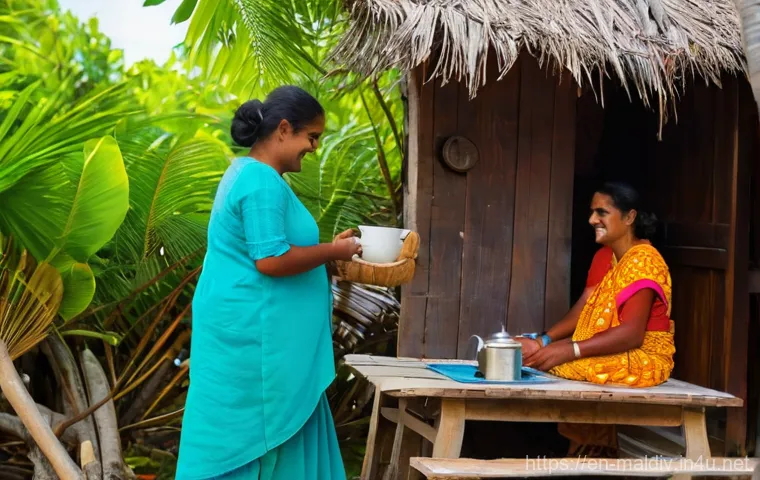
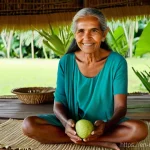
Stepping onto a local island in the Maldives is like entering a whole new dimension compared to the resort experience. The air hums with genuine island life – kids playing, fishermen tending their dhonis, and the irresistible aroma of local cooking wafting through the streets. It’s vibrant, it’s authentic, and honestly, it’s the heart of what makes this trip so special. When I first started planning, I was a bit overwhelmed, thinking about how to find the right place and get around, but trust me, it’s simpler and much more rewarding than you might imagine. The key is to embrace the local way, which often means slower, more thoughtful travel, and that’s precisely where the magic unfolds. You’ll find yourself chatting with guesthouse owners, learning a few Dhivehi phrases, and truly feeling like a part of the community, even if it’s just for a little while. This kind of immersion is something you just don’t get in a resort bubble, and it’s what creates those deeply etched, unforgettable memories that last a lifetime. Plus, the money you spend stays right within the community, directly supporting the people who call these islands home.
Finding Your Perfect Guesthouse Oasis
Forget the sprawling, impersonal resorts; on a local island, guesthouses are your home away from home. These aren’t just budget-friendly options, they’re often family-run establishments where hospitality isn’t just a service, it’s a way of life. I’ve heard countless stories, and experienced firsthand, the incredible warmth and personal touch these guesthouse hosts offer, from helping you plan excursions to sharing a cup of Maldivian tea. Many guesthouses offer clean, comfortable rooms, sometimes even with beachfront views, for significantly less than a resort room. I’m talking as low as $40-$90 per night for two people, which is mind-blowing when you consider the paradise you’re in! Islands like Maafushi, Gulhi, Dhigurah, Thulusdhoo, and Fulidhoo are fantastic starting points, known for their array of guesthouses and a good balance of local life and tourist amenities. When I was looking, I always prioritized places with glowing reviews about the hosts – that personal connection really elevates the entire experience. It’s not just about a place to sleep; it’s about being welcomed into a community. Many guesthouses are conveniently located near designated bikini beaches, allowing you to soak up the sun freely. Booking in advance is a smart move, especially during peak season, as the best budget accommodations tend to fill up quickly.
Navigating Local Transport Like a Pro
Getting around the Maldives as a local island explorer is an adventure in itself, and it’s surprisingly affordable if you know the ropes! The public ferries, known locally as dhonis, are your best friend for inter-island travel. They’re slow, often take a scenic route, and cost just a few dollars per trip, sometimes as low as $1-$4. This is how the locals travel, and it offers an incredible glimpse into everyday Maldivian life. You’ll be sharing the boat with islanders, supplies, and sometimes even the occasional school of dolphins if you’re lucky! However, a crucial tip I learned is that these public ferries don’t run on Fridays due to religious observance, so plan your transfers accordingly. For quicker journeys, especially if your schedule is tight or you’re traveling between atolls, shared speedboats are a fantastic option. They’re faster than the ferries but still much more budget-friendly than private transfers or seaplanes, typically costing around $35 per person. Your guesthouse will be a treasure trove of information for arranging these transfers, and I highly recommend reaching out to them with your flight details well in advance. They often have the most up-to-date schedules and can even book tickets for you, saving you from any last-minute stress at the jetty. Remember, a little planning goes a long way to ensure a smooth and budget-friendly journey across these stunning waters.
Embracing the Authentic Pulse of Maldivian Life
One of the absolute best parts of choosing local island travel is the deep dive you get into authentic Maldivian culture. This isn’t just a vacation; it’s an immersive experience that resonates long after you’ve returned home. I’ve found that interacting with locals, even if it’s just a friendly “Assalaamu alaikum” (hello), opens up doors to understanding their traditions, their daily rhythms, and the unique spirit of this island nation. You’ll witness daily life unfold, from the call to prayer echoing across the island to the rhythmic sounds of local fishermen preparing their catch. It’s a stark contrast to the insulated resort world and offers a much richer, more meaningful connection to the destination. Embracing these cultural nuances and showing respect for local customs, like dressing modestly, truly enhances your experience and fosters positive interactions. It’s about being a conscious traveler, and honestly, that feels so much more rewarding than just being a tourist. You become a part of their story, and they, in turn, become a part of yours.
Savoring Island Flavors: A Culinary Journey
Oh, the food! This is where your taste buds embark on their own adventure. Maldivian cuisine, or Dhivehi cuisine, is a delicious fusion of flavors, heavily influenced by its Indian, Sri Lankan, and Middle Eastern neighbors, with seafood and coconut taking center stage. Forget expensive resort buffets; on local islands, you’ll find small, unassuming cafés and street food stalls, known as Sai Hotaa (tea shops), where locals gather for affordable, home-style meals. My personal favorite, and a must-try for breakfast, is Mas Huni – a delightful mix of shredded tuna, fresh coconut, onions, and chili, often served with a thin, flatbread called Roshi. It’s an explosion of fresh, tangy, and spicy flavors that perfectly kicks off your day. For lunch or dinner, a hearty Garudhiya, a clear fish broth, is a staple. Don’t miss out on local curries, like those made with fresh vegetables or, of course, more fish! Many guesthouses also offer half-board or full-board options, which can be a brilliant way to manage your food budget and ensure you’re always well-fed with authentic dishes. Exploring these local eateries not only saves you money but also provides a genuine taste of Maldivian life and hospitality. Every bite tells a story, and every meal is an opportunity to connect with the island’s soul.
Embracing Local Traditions and Etiquette
Visiting the Maldives’ local islands means respecting its predominantly Muslim culture. It’s something I always make sure to keep in mind, and it genuinely enriches the experience. While resorts have very relaxed dress codes, on local islands, modesty is key outside of designated ‘bikini beaches.’ For women, this means covering your shoulders and knees – think loose-fitting tops, maxi skirts, or dresses. Men should also opt for knee-length shorts and t-shirts. I always carry a light scarf or sarong, it’s super versatile for covering up when needed, whether you’re walking through the village or visiting a mosque. Speaking of mosques, if you have the chance to visit one, women should ensure their head and shoulders are covered, and men should have their legs and body covered. You’ll also notice the melodic call to prayer five times a day; it’s a beautiful part of island life. When greeting locals, a handshake is common, but if unsure with a woman, a simple nod or slight bow is perfectly respectful. And a little tip that always goes a long way: learning a few basic Dhivehi words like “hello” (Assalaamu alaikum), “thank you” (Shukuriyaa), and “goodbye” (Al-vidaa) is greatly appreciated by the locals. It shows you care, and that connection is priceless.
Budget-Friendly Adventures Beyond the Resort Barrier
One of the biggest misconceptions about the Maldives is that all the incredible marine life and stunning activities come with an exorbitant price tag. I used to think the same, imagining only resort guests could swim with manta rays or explore vibrant coral reefs. But that couldn’t be further from the truth when you’re exploring the local islands! This is where your budget-savvy adventure truly kicks off, offering you access to the same breathtaking natural wonders for a fraction of what you’d pay at a high-end resort. Local guesthouses are masters at organizing excursions that are not only affordable but also often more authentic, connecting you with local guides and smaller, more personalized groups. It’s a win-win: you save money, support local businesses, and get an incredible experience that feels genuinely Maldivian. I’ve personally found that these local tours feel more intimate and less ‘mass-tourism,’ allowing for those truly magical, once-in-a-lifetime moments. It really opens up the paradise to everyone, not just those with deep pockets.
Snorkeling and Diving Without Breaking the Bank
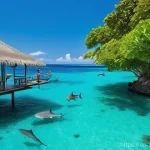
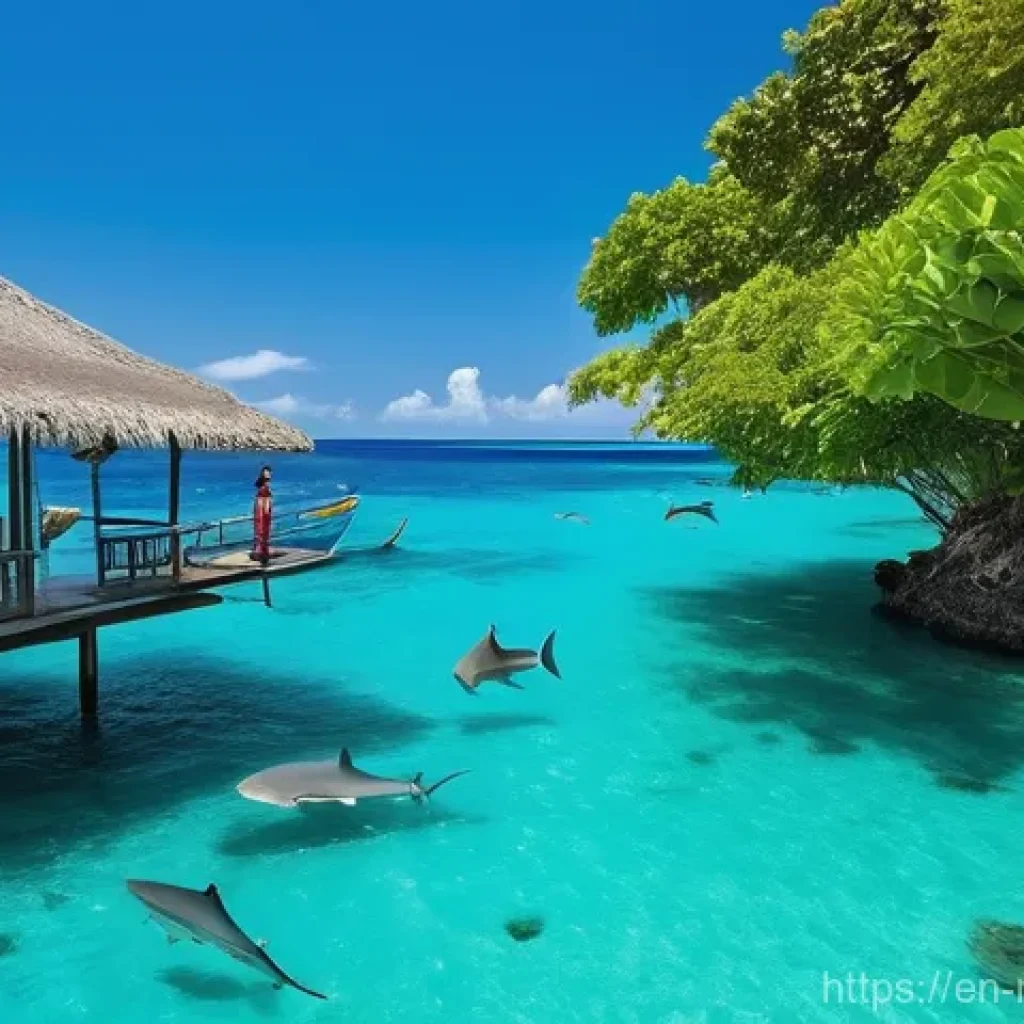
If you’re anything like me, the thought of crystal-clear turquoise waters teeming with marine life is probably a huge draw to the Maldives. And guess what? You absolutely don’t need to splurge on a resort to experience it! Local islands like Dhigurah, Ukulhas, Omadhoo, and Rasdhoo are celebrated for their incredible house reefs, often just a short swim from the beach. Seriously, some of the best snorkeling I’ve ever done was right off a local beach, spotting colorful fish, reef sharks, and even turtles! Many guesthouses offer snorkeling gear for rent at very reasonable prices, or sometimes even for free. For those who want to dive deeper, local dive centers on islands like Maafushi, Dhigurah, and Thulusdhoo provide certified diving experiences at significantly lower costs than resort-affiliated operations. You can find dives for as low as $30-$50, which is fantastic value for exploring some of the world’s best dive sites, including famous manta points and even whale shark encounters, particularly around Dhigurah and South Ari Atoll. It’s a chance to witness the Maldives’ underwater magic firsthand, without feeling like you’re emptying your wallet just for the privilege. Trust me, seeing a manta ray glide past you in its natural habitat is an experience that will stay with you forever.
Island Hopping on a Dime
Who says you have to pick just one island? The beauty of local island travel is the freedom to explore multiple gems, creating your own unique Maldivian itinerary without the hefty resort-to-resort transfer fees. Island hopping is not just feasible, it’s encouraged! As I mentioned, public ferries are incredibly cheap, making it easy to jump between neighboring islands for just a few dollars. While they might be slower, they offer an authentic slice of Maldivian life. For islands further afield or when time is of the essence, scheduled shared speedboats are still a budget-conscious choice, usually around $35 per person, connecting various atolls and islands. Imagine spending a few days on the vibrant, activity-rich Maafushi, then moving to the quieter, more serene Fulidhoo, and perhaps ending your trip on a snorkeling paradise like Dhigurah – all without a massive dent in your budget. Many guesthouses are well-versed in helping you coordinate these transfers, making the logistics much smoother. This flexibility allows you to tailor your trip to your interests, whether you’re chasing surf breaks in Thulusdhoo, agricultural wonders in Thoddoo, or pristine beaches on a remote, unspoiled island. It’s an incredible way to see the diverse beauty of the Maldives and discover your own hidden paradises. I’ve found that each island has its own unique charm, and seeing several really gives you a complete picture of this stunning country.
Connecting with Nature: Unforgettable Encounters

The Maldives is, at its heart, a spectacular natural wonderland, and the local islands bring you closer to that raw beauty than any resort ever could. It’s not just about seeing nature; it’s about becoming a part of it, even if just for a fleeting moment. I still remember the first time I snorkeled off a local island and felt like I was swimming in an aquarium, surrounded by a kaleidoscope of fish. There’s a profound sense of peace and awe that comes from witnessing these natural spectacles, knowing you’re experiencing them in a way that truly respects the environment and supports the local communities who cherish them. This direct connection with nature, away from the manicured lawns and artificial experiences of some resorts, is what truly sets local island travel apart. It feels real, untouched, and incredibly precious. And honestly, it makes you appreciate the incredible efforts of the Maldivian people to preserve their breathtaking home. It’s a reminder of how incredible our planet is, and how small we are within its grand design.
Swimming with Gentle Giants: Manta Rays and Whale Sharks
Okay, let’s talk about the ultimate bucket list item for many travelers to the Maldives: swimming with manta rays and whale sharks! I’ve seen the photos, but nothing prepares you for the sheer majesty of these creatures in real life. On local islands, this dream can absolutely become a reality without breaking the bank. Dhigurah and Omadhoo in South Ari Atoll are particularly renowned for their proximity to whale shark and manta ray feeding grounds, offering year-round encounters with whale sharks and seasonal manta ray aggregations. Local tour operators, often affiliated with your guesthouse, run ethical and affordable excursions specifically designed for spotting these magnificent animals. Imagine gliding through the water just meters away from a gentle giant, feeling utterly dwarfed by its grace – it’s an experience that truly leaves you speechless. These tours are usually a fraction of the cost you’d pay from a resort, meaning you can have these incredible wildlife encounters without the guilt of overspending. It’s an authentic, heart-pounding adventure that perfectly encapsulates the magic of the Maldivian natural world, and a memory I know I’ll treasure forever. You just can’t put a price on that kind of wonder, but thankfully, local islands make it accessible.
Discovering Hidden Beaches and Pristine Reefs
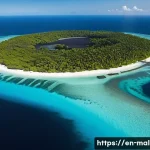
While the resort islands are famous for their perfectly manicured beaches, the local islands offer something even more special: hidden coves, untouched stretches of sand, and vibrant house reefs waiting to be discovered. Many local islands boast designated “bikini beaches” where tourists can relax and swim freely, but venture a little further, and you might just stumble upon your own secluded slice of paradise. Islands like Fulidhoo and Feridhoo are celebrated for their pristine, less-crowded beaches and incredible natural beauty. I love the feeling of exploring a quiet stretch of coastline, knowing that few others have walked there that day. And beneath the waves, the house reefs around these local islands are often teeming with life, offering spectacular snorkeling opportunities right off the shore. Ukulhas, for instance, is known for its crystal-clear lagoon and healthy house reef, perfect for spotting vibrant corals, turtles, and countless species of fish. These are the places where you truly connect with the raw, unspoiled beauty of the Maldives, far from any crowds. Just grab your snorkel, a towel, and perhaps a good book, and let the rhythmic lapping of the waves transport you to pure bliss. It’s those quiet moments, surrounded by such natural perfection, that really make the trip unforgettable.
Practical Tips for a Seamless Local Island Experience
Embarking on a Maldivian local island adventure is all about being prepared, but not over-prepared to the point of stifling spontaneity. I’ve learned that a few smart choices before you even step on the plane can make all the difference in ensuring a smooth, enjoyable, and truly budget-friendly trip. It’s not just about saving money, it’s about making sure you’re comfortable, respectful, and ready to embrace everything these incredible islands have to offer. From what to pack to how to handle your finances, thinking ahead allows you to relax and soak up every precious moment once you arrive. Remember, this isn’t a sterile resort experience; it’s real life in a beautiful, culturally rich nation. So, let’s get into the nitty-gritty details that will help you navigate your journey like a seasoned traveler, ensuring your focus remains on the stunning vistas and warm smiles, not on logistical headaches. This is where your inner travel hacker shines!
Packing Smart for Your Maldivian Escape
When packing for the Maldives, especially for local islands, ‘less is more’ is often the best mantra, but with a cultural twist. Given the modest dress code outside of designated bikini beaches, women should pack lightweight, loose-fitting clothing that covers shoulders and knees. Think maxi dresses, sarongs, long shorts, and breathable tops. Men will be comfortable in t-shirts and knee-length shorts. I always recommend bringing a light scarf or pashmina – it’s a lifesaver for covering up quickly when needed, like if you decide to visit a mosque, or simply want a bit more sun protection. Don’t forget your modest swimwear for bikini beaches, along with reef-safe sunscreen, a wide-brimmed hat, and sunglasses to shield you from that glorious Maldivian sun. Comfortable sandals or flip-flops are perfect for island life, as you’ll often be taking your shoes off before entering guesthouses or local homes. A reusable water bottle is also a must, both for staying hydrated and for being eco-friendly – many guesthouses offer water refills. And believe me, with the high humidity, clothes can take a while to dry, so a couple of swimsuit options are a good idea.
Money Matters: Local Currency and Payments
Understanding the local currency and payment methods is key to a stress-free budget trip. The official currency is the Maldivian Rufiyaa (MVR), but US dollars are widely accepted, especially in tourist-focused areas. My personal strategy? I usually bring a good stash of crisp, newer US dollar bills (smaller denominations are best for local purchases and tips) and then exchange a portion for MVR at the airport upon arrival. This way, I have local currency for smaller purchases at local shops and cafes, and USD for larger expenses or excursions. Credit cards (Visa, MasterCard) are accepted at most guesthouses and larger establishments, but always carry some cash, as smaller local eateries or souvenir stalls might not have card facilities. ATMs are primarily found in Malé, Hulhumalé, and some larger local islands like Maafushi, so don’t expect to find one on every tiny island. Many ATMs dispense only MVR, though some at the airport and in key tourist areas might offer USD. Be mindful of ATM withdrawal limits (often around MVR 2000 per transaction, though some banks allow up to MVR 8000) and potential fees from both local banks and your home bank. It’s always a good idea to check with your bank before you travel about international withdrawal fees. By being prepared with a mix of USD and MVR, you’ll navigate your financial needs smoothly and efficiently.
| Aspect of Travel | Resort Islands (Typically) | Local Islands (Typically) |
|---|---|---|
| Accommodation Cost (Per Night) | $500 – $2000+ | $40 – $200 |
| Cultural Immersion | Limited, insulated environment | High, direct interaction with locals |
| Food & Drink | International cuisine, alcohol available, high prices | Authentic Maldivian cuisine, no alcohol (except “booze boats”), affordable local eateries |
| Transport | Expensive private speedboats/seaplanes | Affordable public ferries ($1-4), shared speedboats ($35) |
| Dress Code | Relaxed, swimwear everywhere | Modest attire outside “bikini beaches” |
| Excursion Costs | High | Significantly lower, locally organized |
| ATM Availability | Rare or non-existent | Mainly in Malé, Hulhumalé, and larger local islands |
Wrapping Up Our Maldivian Dream
Well, fellow adventurers, we’ve journeyed through the enchanting world of the Maldivian local islands, and I hope you’re feeling as inspired as I am to make this dream a reality! It’s truly incredible to think that this paradise, once seemingly exclusive, is now so accessible, offering a richer, more authentic experience than I ever imagined. Moving beyond the resort bubble opens up a world of genuine connections, breathtaking natural beauty, and unforgettable moments that resonate deeply. This isn’t just a trip; it’s an immersion into a vibrant culture, a testament to responsible travel, and a collection of memories that will shine brightly for years to come. I really believe this is the best way to experience the true heart of the Maldives.
Handy Tips for Your Maldivian Adventure
1. Choose Your Island Wisely: Islands like Maafushi, Dhigurah, Thulusdhoo, and Fulidhoo are fantastic starting points, balancing local life with tourist amenities and offering plenty of affordable guesthouses.
2. Embrace Local Transport: Public ferries (dhonis) are your best, most affordable bet for inter-island travel, costing just a few dollars. Remember, they don’t run on Fridays! Shared speedboats are a quicker, still budget-friendly option.
3. Pack with Purpose: Modesty is key on local islands outside bikini beaches. Bring lightweight clothing that covers shoulders and knees, along with reef-safe sunscreen and a reusable water bottle.
4. Mind Your Money: While US dollars are widely accepted, especially for larger expenses and tours, having some Maldivian Rufiyaa (MVR) for local shops and cafes is helpful. ATMs are mainly in Malé and larger islands.
5. Respect Local Customs: The Maldives is a Muslim country. Dress modestly in villages, avoid alcohol (except on designated “booze boats”), and be mindful of prayer times to truly immerse yourself respectfully.
Key Takeaways for Your Trip
Exploring the Maldives through its local islands offers an unparalleled, budget-friendly journey into authentic Maldivian life and breathtaking nature. You’ll discover vibrant culture, savor delicious local cuisine, and experience world-class marine adventures like swimming with manta rays and whale sharks, all while supporting local communities. This approach allows for incredible flexibility, deeper immersion, and memories far richer than any resort stay, proving that paradise is truly within everyone’s reach. It’s an experience that not only saves your wallet but truly enriches your soul.
Frequently Asked Questions (FAQ) 📖
Q: What exactly is the ‘local island’ experience in the Maldives, and how is it really different from a typical resort stay?
A: Oh, this is such a common question, and I totally get it! For years, when we thought of the Maldives, our minds immediately went to those incredibly luxurious, private resort islands with overwater bungalows, right?
I used to picture myself in one of those, feeling like it was a world away. But the local island experience? It’s a whole different ballgame, and honestly, it’s where the true magic happens.
Instead of being isolated on an island owned by a single resort, you’re living right alongside Maldivian families, in real communities. Think charming guesthouses and small hotels run by locals, rather than sprawling international chains.
You’ll wake up to the sounds of island life, not just the gentle lapping of waves from a manicured beach. You get to eat at local cafes where the food is absolutely incredible and surprisingly affordable – homemade curries, fresh grilled fish, and traditional snacks you won’t find anywhere else.
The biggest difference for me is the genuine connection; you’re not just a guest, you’re part of the island’s rhythm. You can chat with fishermen bringing in their catch, watch kids playing football on the beach, and simply soak in the authentic culture.
It’s less about being pampered in a sterile bubble and more about experiencing the vibrant, beating heart of the Maldives. It truly transforms your understanding of this beautiful nation, and for me, that’s priceless.
Q: Is exploring local islands truly affordable, and what kind of budget should I realistically expect for a fantastic trip?
A: When I first heard “affordable Maldives,” I was skeptical too, thinking it was just a marketing gimmick. But having traveled this way myself, I can confidently say, yes, it absolutely is!
This is where you can turn that once-in-a-lifetime dream into a “I can definitely do this again” reality. Let’s break it down: For accommodation, you can find beautiful, clean, and comfortable guesthouses for anywhere from $50 to $150 a night, sometimes even less.
Compare that to the hundreds, or even thousands, you’d shell out at a resort, and you’re already saving a fortune. Food is another huge win. Eating at local restaurants means delicious, authentic meals for typically $5-$15 per person, unlike resort dining where a single meal can easily set you back $50 or more.
Even activities, like snorkeling trips to stunning reefs or excursions to sandbanks, are far more reasonable, often costing $30-$70 for a half-day tour directly from a local provider.
Transportation between islands is usually done via local ferries for just a few dollars, though speedboats are also available for convenience, still far cheaper than private resort transfers.
My personal experience has shown me that you can easily enjoy an incredible Maldivian adventure on a local island for around $100-$200 a day, which is an absolute steal for this paradise.
It’s about smart choices and embracing the local way, and believe me, your wallet will thank you!
Q: What unique activities and cultural experiences can I actually enjoy on a Maldivian local island? Is it just lying on a beach?
A: If you’re worried about just lying on a beach all day, let me quickly put your mind at ease – while the beaches are undeniably gorgeous and perfect for relaxation, the local islands offer so much more!
What I truly love is the authentic connection to the Maldivian way of life. Imagine going on a snorkeling trip where you swim alongside majestic manta rays or even whale sharks with local guides who know these waters like the back of their hand – an experience I still get goosebumps thinking about!
You can join traditional fishing excursions at sunset, learn to cook a mouth-watering Maldivian curry with a guesthouse host, or simply wander through the village streets, observing daily life.
Many islands have incredible dive centers where you can explore vibrant coral reefs and abundant marine life at a fraction of the resort prices. I’ve personally enjoyed leisurely bike rides around islands, discovering hidden cafes and pristine stretches of sand only locals know about.
You can visit a local school or mosque (respectfully, of course), chat with artisans crafting traditional souvenirs, or simply enjoy a fresh coconut from a street vendor.
The evenings often bring stunning sunsets followed by tranquil strolls, or sometimes even a chance to see a ‘Bodu Beru’ performance, traditional Maldivian drumming and dance.
It’s about immersion, learning, and making memories that are genuinely unique, far beyond just sunbathing.