The Maldives is often celebrated for its stunning beaches and vibrant marine life, but its rich cultural tapestry is equally fascinating. One of the most significant aspects shaping Maldivian society is the deep-rooted influence of Islam.
This religious transformation has woven itself into the islands’ traditions, laws, and daily life over centuries. Understanding how Islam became central to Maldivian identity offers a unique glimpse into the nation’s history and values.
Let’s dive deeper into this captivating journey and uncover the story behind the Maldives’ Islamic heritage!
The Transformation of Maldivian Beliefs
Early Spiritual Practices Before Islam
Before Islam took root, the Maldives was a melting pot of various belief systems, heavily influenced by Hinduism and Buddhism. Islanders practiced rituals tied to nature worship, and their spiritual leaders played a crucial role in community decision-making.
Temples and shrines dotted the islands, serving as centers for cultural and religious gatherings. These early practices were deeply intertwined with daily life, from fishing rituals to seasonal festivals.
The arrival of Islam would later reshape these customs, but traces of these ancient beliefs still echo in some traditions today.
Arrival and Spread of Islam
Islam’s introduction to the Maldives is often traced back to the 12th century, credited to a visiting Arab traveler and Islamic missionary. This marked a turning point, as the conversion process was relatively peaceful and embraced by the local rulers.
The new faith quickly became a unifying force, replacing earlier religions and establishing a shared identity across the scattered islands. The adoption of Islamic law and customs influenced governance and social norms, strengthening the sense of community under a common religious framework.
It’s fascinating to realize how this spiritual shift not only altered religious practices but also paved the way for political and legal transformation.
The Role of Islamic Scholars and Leaders
Islamic scholars, or ulama, emerged as key figures in guiding the community through this religious transition. Their knowledge of the Quran and Islamic jurisprudence helped shape laws and education systems.
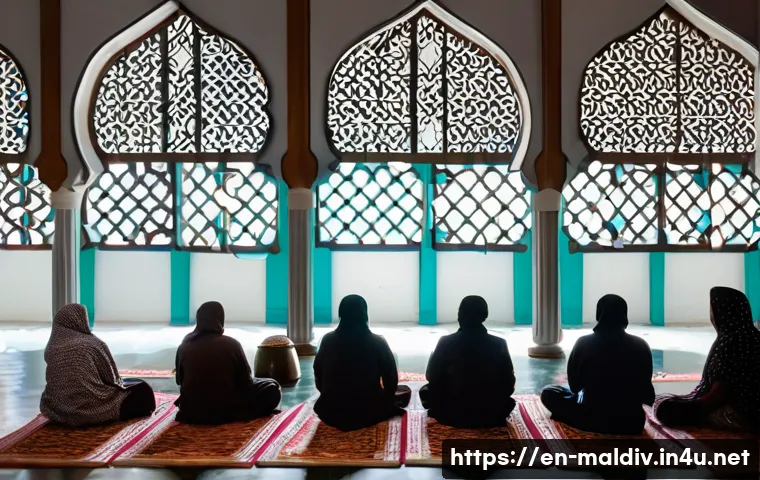
These leaders were respected not just for their religious authority but also for their wisdom in resolving disputes and advising on governance. Over centuries, mosques became more than places of worship; they evolved into centers for learning and social cohesion.
The influence of these scholars remains evident today in the Maldives’ emphasis on religious education and the preservation of Islamic traditions.
Islam’s Influence on Maldivian Culture and Daily Life
Religious Festivals and Community Gatherings
Islamic festivals such as Eid al-Fitr and Eid al-Adha are among the most significant events in the Maldives, drawing communities together in celebration.
These occasions are marked by communal prayers, feasting, and acts of charity, reinforcing social bonds and religious devotion. The preparation for these events often involves the whole community, creating a vibrant atmosphere filled with traditional foods, music, and storytelling.
Experiencing these festivals firsthand reveals how deeply ingrained Islamic values of generosity and unity are in Maldivian society.
Dress Code and Social Etiquette
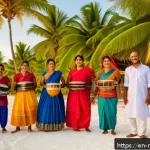
Islam’s impact on everyday attire is unmistakable. Traditional clothing in the Maldives reflects modesty, with many people choosing garments that align with Islamic principles.
For example, women often wear the “libaas,” a beautifully embroidered dress, while men don the “mundu” or sarong. Social interactions are also influenced by religious teachings, emphasizing respect, hospitality, and humility.
These customs not only honor religious beliefs but also foster a sense of identity and continuity among Maldivians, especially in a rapidly modernizing world.
Dietary Customs and Food Practices
The dietary laws prescribed by Islam are strictly followed, shaping the Maldivian cuisine. Halal food preparation is a standard, with pork and alcohol being prohibited.
Fish, particularly tuna, is a staple, prepared in various traditional ways that highlight local flavors. Sharing meals during religious and social gatherings is a cherished practice, reinforcing community ties.
Through these culinary customs, one can see how religion subtly influences even the most routine aspects of life, blending faith with culture in a seamless way.
Legal and Educational Systems Rooted in Faith
Sharia Law and Governance
The Maldives incorporates Islamic law into its legal system, particularly in matters of family law, inheritance, and criminal justice. This integration reflects the nation’s commitment to preserving its religious identity while balancing modern governance needs.
Courts often apply Sharia principles alongside civil law, creating a hybrid system that respects tradition yet adapts to contemporary challenges. The respect for Islamic law is evident in daily life, influencing everything from marriage contracts to dispute resolution.
Religious Education in Schools
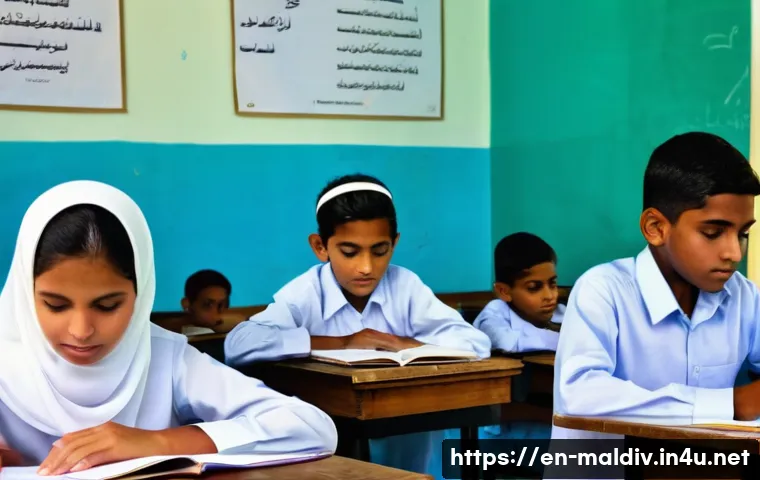
Islamic teachings are an essential part of the national curriculum, ensuring that young Maldivians grow up with a strong understanding of their faith.
From Quranic studies to lessons on Islamic history and ethics, education is designed to foster both religious knowledge and moral values. Many families prioritize religious schooling alongside secular education, viewing it as crucial for personal development and community cohesion.
This dual approach helps maintain a balance between tradition and progress in the country’s youth.
The Role of Religious Institutions
Mosques and madrassas serve as pillars of the community, offering not only spiritual guidance but also social services and educational opportunities. These institutions often organize charitable activities, support the needy, and host cultural events that celebrate Islamic heritage.
Their presence reinforces the connection between faith and daily life, creating spaces where religious and social identities intersect. Visiting these centers reveals how integral Islam remains to the Maldivian way of life beyond formal worship.
Preserving Islamic Traditions Amid Modern Changes
Challenges of Globalization
As the Maldives opens up to tourism and global influences, maintaining Islamic traditions presents unique challenges. Exposure to diverse cultures and lifestyles sometimes creates tensions between modernity and religious values.
Many locals navigate this balance by selectively embracing new ideas while holding firmly to their faith. Observing this delicate negotiation shows the resilience of Islamic identity in a rapidly changing world, where heritage and progress coexist.
Community Efforts to Uphold Faith
Grassroots initiatives and local leaders play a vital role in safeguarding Islamic practices. Community centers often host workshops, lectures, and youth programs focused on religious education and moral guidance.
These efforts help counteract the erosion of traditional values and encourage active participation in faith-based activities. The collective commitment to preserving Islam reflects a shared understanding of its importance as the foundation of Maldivian identity.
Influence on Art and Architecture
Islamic art and architectural styles are prominently featured in Maldivian culture, from intricate mosque designs to calligraphy and geometric patterns.
These artistic expressions serve as both religious symbols and cultural heritage, linking the past with the present. The preservation and restoration of historic mosques demonstrate pride in this heritage.
Exploring these artistic elements reveals how faith inspires creativity and contributes to a unique national aesthetic.
Intersections of Islam with Maldivian Governance and Society
Religious Leadership and Political Authority
The intertwining of religious and political leadership is a defining feature of Maldivian governance. Religious scholars often advise government officials, ensuring that policies align with Islamic principles.
This collaboration reinforces the legitimacy of political authority and strengthens social cohesion. It’s intriguing to witness how religion shapes not only personal beliefs but also the broader structures of power and law in the Maldives.
Social Welfare and Charity
Islamic teachings on charity, or zakat, significantly influence social welfare programs. The government and private organizations work together to provide support for vulnerable populations, guided by religious obligations to care for the less fortunate.
These charitable efforts contribute to social stability and reflect the moral priorities of the nation. Personal stories from locals often highlight how these initiatives improve lives and reinforce communal bonds.
Gender Roles and Family Life
Islam shapes gender roles within Maldivian society, emphasizing family cohesion, respect, and responsibility. While traditional roles are prevalent, there is also a growing dialogue about women’s rights within an Islamic framework.
The balance between preserving religious values and embracing social change creates a dynamic environment where families adapt to new realities while honoring their faith.
This evolving conversation highlights the complexity of applying timeless principles in a modern context.
Milestones in the Maldives’ Islamic Heritage
Historic Events and Conversions
Several key moments mark the Maldives’ journey toward becoming an Islamic nation, from the initial conversion of the royal family to the establishment of Islamic institutions.
These milestones reflect the gradual yet profound transformation of society. Each event contributed to shaping the national identity, creating a legacy that continues to influence Maldivians today.
Evolution of Religious Practices
Over time, Maldivian Islamic practices have adapted to local customs and external influences, resulting in a unique expression of faith. This evolution includes variations in prayer styles, festival celebrations, and religious education.
Understanding these adaptations provides insight into how Islam remains vibrant and relevant in the islands.
Modern Recognition and International Relations
The Maldives’ Islamic identity plays a significant role in its international diplomacy and cultural exchanges. As a member of various Islamic organizations, the country promotes cooperation and solidarity with the global Muslim community.
This international engagement reinforces national pride and highlights the Maldives’ place within a broader religious and cultural network.
| Aspect | Pre-Islamic Period | Post-Islamic Influence |
|---|---|---|
| Religious Practices | Nature worship, Hinduism, Buddhism | Islamic rituals, prayers, festivals |
| Legal System | Customary laws and tribal codes | Sharia law integrated with civil law |
| Education | Oral traditions and informal teaching | Quranic schools, religious curriculum |
| Cultural Events | Seasonal and nature-based festivals | Eid celebrations, Islamic holidays |
| Social Structure | Chiefs and elders with spiritual roles | Religious scholars and community leaders |
Conclusion
The journey of the Maldives from its early spiritual roots to its deep Islamic identity reveals a rich tapestry of cultural and religious transformation. This evolution has not only shaped the islands’ beliefs but also influenced their laws, education, and social life. Understanding this dynamic history offers valuable insight into how faith and tradition continue to guide Maldivian society today.
Useful Information to Know
1. The Maldives’ pre-Islamic beliefs were mainly influenced by Hinduism and Buddhism, with strong ties to nature worship.
2. Islam was introduced peacefully in the 12th century, becoming the foundation for the nation’s unified identity and legal system.
3. Islamic scholars have played a central role in shaping the country’s education, laws, and community leadership.
4. Religious festivals like Eid foster community spirit through prayer, charity, and cultural celebrations.
5. Despite globalization, local efforts continue to preserve Islamic traditions while adapting to modern challenges.
Key Takeaways
The Maldives’ unique blend of historical beliefs and Islamic faith has deeply influenced its culture, governance, and social structure. Islamic principles are integrated into daily life, from dress codes and dietary customs to education and law. This enduring connection between religion and society demonstrates how faith remains a vital part of Maldivian identity, even as the nation embraces change and global influences.
Frequently Asked Questions (FAQ) 📖
Q: How did Islam become the dominant religion in the Maldives?
A: Islam was introduced to the Maldives around the 12th century, primarily through Arab traders and missionaries. According to local tradition, a Sunni Muslim scholar named Abu al-Barakat Yusuf al-Barbari played a pivotal role in converting the Maldivian king, which led to the entire nation embracing Islam.
Over time, Islamic teachings deeply influenced the islands’ culture, laws, and social norms, making it the cornerstone of Maldivian identity.
Q: In what ways does Islam influence daily life and culture in the Maldives?
A: Islam shapes many aspects of daily life in the Maldives, from religious practices like daily prayers and fasting during Ramadan to social customs and legal frameworks based on Sharia law.
For example, public behavior is often guided by Islamic principles, and festivals like Eid are widely celebrated. Additionally, Islamic values emphasize community, hospitality, and modesty, which are reflected in Maldivian traditions and interactions.
Q: Are visitors to the Maldives expected to respect Islamic customs, and how should they do so?
A: Yes, visitors are encouraged to respect the Maldives’ Islamic customs, especially when outside resort islands. This includes dressing modestly in inhabited islands, refraining from public displays of affection, and avoiding alcohol consumption in local communities.
Understanding and honoring these practices not only shows respect for local culture but also enriches the travel experience by fostering meaningful connections with Maldivian people.