Hey everyone! You know how much I love finding those hidden gems around the world that offer more than just a pretty view. We often think of the Maldives for its incredible turquoise waters and luxurious overwater bungalows, right?
But what if I told you there’s an ancient, vibrant healing tradition deeply woven into the fabric of these islands, one that’s getting a huge spotlight in today’s wellness world?
My recent journey into Maldivian traditional medicine, known locally as Dhivehi Beys, has been nothing short of eye-opening. I’ve personally experienced how this centuries-old practice, blending indigenous plants, oils, and ancient wisdom, offers a truly holistic approach to well-being, focusing on the balance of the body’s ‘humours’ and its connection to nature.
In an era where everyone is seeking authentic, sustainable, and truly effective ways to de-stress and rejuvenate, Dhivehi Beys stands out. We’re seeing a significant trend towards integrating these time-honored practices into modern wellness tourism, with resorts now incorporating traditional Maldivian elements into their spa treatments to offer a unique blend of ancient and contemporary therapies.
The Maldivian government even recognizes its cultural significance and is actively working to preserve and integrate this ancient tradition into tourism, which is fantastic news for cultural explorers like us!
From personal experience, these aren’t just feel-good remedies; they are a profound connection to the islanders’ resilient heritage and their intimate knowledge of their unique environment.
Ready to uncover the true magic behind this island paradise and explore a healing system that’s been revitalizing souls for generations? Let’s dive deeper into this fascinating world and truly understand its enduring power!
Unearthing the Roots of Island Healing

You know, before diving headfirst into the specific treatments, what truly fascinated me was understanding *where* Dhivehi Beys even comes from. It’s not just a collection of remedies; it’s a living, breathing history lesson, deeply intertwined with the Maldivian people’s survival and connection to their unique island environment.
Imagine generations of islanders, far removed from modern medicine, relying solely on the lush vegetation and crystal-clear waters surrounding them. My explorations, talking to local practitioners and elders, revealed that this practice isn’t just ancient; it’s an ingenious system developed out of necessity and profound ecological wisdom.
It’s less about quick fixes and more about sustained wellness, understanding the body’s natural rhythms, and aligning them with the rhythm of the ocean and the land.
I found myself thinking about how resourceful and intuitive our ancestors were, meticulously cataloging the properties of every leaf, root, and shell.
It’s a testament to human ingenuity and our innate desire to heal. This deeply rooted system has weathered centuries, tides, and changing times, still offering solace and healing today.
For me, connecting with this history made the whole experience so much richer, adding layers of meaning to every treatment I tried.
A Tapestry Woven Through Time
Dhivehi Beys isn’t something that just appeared overnight. It’s a tapestry woven over centuries, influenced by a blend of indigenous knowledge, Ayurvedic principles brought by early settlers from the Indian subcontinent, and even Unani medicine from the Middle East.
What truly sets it apart, in my opinion, is how the Maldivians have adapted these influences to their unique island ecosystem. They didn’t just copy; they innovated.
They took what resonated and combined it with their profound understanding of local flora and fauna, creating something distinctly Maldivian. This isn’t just about preserving old ways; it’s about a dynamic, evolving system that has proven its resilience.
Talking to some of the elder healers, I learned about family lineages dedicated to this practice, passing down secret remedies and observational knowledge from one generation to the next.
It’s incredibly personal and communal at the same time, reflecting the close-knit nature of island life.
The Wisdom of the Waves and Woods
One of the most profound aspects of Dhivehi Beys, and something I felt very deeply, is its absolute reverence for nature. Unlike some modern approaches that might see nature as a resource to be exploited, Dhivehi Beys views the natural world as a co-healer, a partner in wellness.
Every ingredient, every technique, seems to whisper tales of the ocean and the land. From the calming properties of specific herbs grown on the atolls to the therapeutic warmth of sands used in certain treatments, the connection is undeniable.
It made me reconsider my own relationship with the environment, realizing how much wisdom we can draw from simply observing and respecting the world around us.
My local guide, who’s been involved in traditional medicine through his family for decades, showed me how they harvest ingredients sustainably, always ensuring balance.
It’s a holistic view that extends beyond just the individual body to the entire ecosystem, a lesson I think we all could benefit from today.
The Core Philosophy: Balancing Your Inner Ocean
What really clicked for me about Dhivehi Beys is its foundational philosophy, which honestly, felt incredibly refreshing in our fast-paced world. It’s all about balance – but not just any balance.
It’s about harmonizing the body’s ‘humours’ or internal elements, known as *Vaai* (wind), *Pitthi* (bile), and *Bodu* (phlegm). When I first heard this, it sounded a bit abstract, but as it was explained, it made perfect sense.
Think of it like a delicate ecosystem within your own body. If one element gets out of whack, it creates ripples throughout your entire system, leading to discomfort or illness.
This isn’t just a physical concept; it touches on emotional and mental well-being too, reflecting a truly integrated approach to health. My own journey into understanding this taught me to be more attuned to my body’s subtle cues, rather than waiting for a major alarm bell.
It’s about preventative care, understanding your individual constitution, and living in a way that supports natural harmony. This emphasis on individual balance, rather than a one-size-fits-all approach, is something I truly value and wish was more common in mainstream wellness.
Understanding Your Unique Blueprint
One of the first things a traditional Maldivian healer will do is assess your individual constitution – your unique blend of *Vaai*, *Pitthi*, and *Bodu*.
It’s almost like discovering your body’s unique blueprint. They look at physical characteristics, yes, but also lifestyle, dietary habits, and even emotional tendencies.
I remember sitting with a practitioner, and it felt like she was reading my energy, understanding nuances that I hadn’t even consciously considered. This personalized approach really resonated with me.
It’s not about slapping on a generic remedy; it’s about tailoring the treatment to *you*. For someone with an excess of *Pitthi*, for example, which might manifest as fiery emotions or digestive issues, they would recommend specific cooling herbs and dietary adjustments.
For someone feeling sluggish with too much *Bodu*, treatments might focus on invigorating and stimulating practices. It’s a deep dive into self-awareness, making you feel truly seen and understood by the healer, which I believe is a huge part of the healing process itself.
Nature’s Pharmacy: A Treasure Trove of Remedies
The true magic, in my opinion, lies in the sheer ingenuity of how Maldivians utilize their natural environment as a veritable pharmacy. Every plant, every coconut product, every ocean element seems to have a purpose.
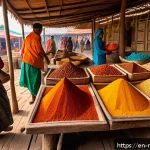
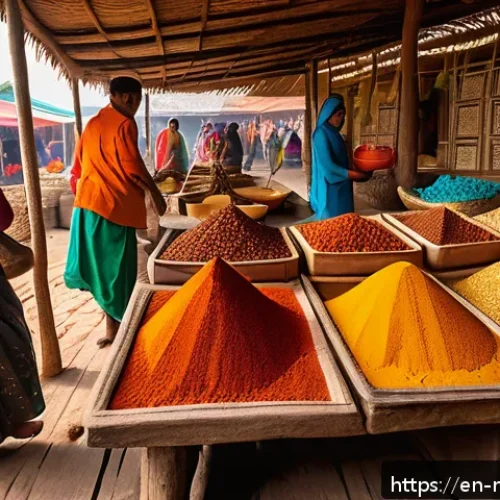
They’re not importing exotic superfoods from far-flung corners of the globe; they’re using what’s right there, abundant and powerful. From the leaves of the *Moringa* tree, packed with nutrients, to various types of ginger and turmeric for their anti-inflammatory properties, the island’s bounty is incredible.
I was particularly fascinated by their use of different oils – coconut oil infused with specific herbs for massages, or special blends for internal cleansing.
It’s a testament to how intimately they understand their surroundings. Trust me, when you experience a traditional oil massage, feeling the warmth of the infused oils sinking into your skin, you truly feel connected to the island itself.
It’s not just a physical sensation; it’s a sensory journey that taps into centuries of localized knowledge.
My Personal Journey into Dhivehi Beys Treatments
Let me tell you, stepping into a traditional Maldivian healing session was an experience unlike any spa treatment I’ve had before. It wasn’t just about relaxation; it was about a profound sense of realignment, a gentle recalibration of my entire being.
I decided to go all-in and try a couple of different therapies, curious to see how they would address some lingering tension I’d been carrying. The atmosphere itself was grounding – often in open-air bungalows or simple, serene spaces, with the sounds of the ocean as a natural soundtrack.
My initial apprehension quickly melted away, replaced by a deep sense of trust and anticipation. I truly believe that the intent and presence of the practitioner play a huge role, and in Dhivehi Beys, you can feel that genuine care and centuries of accumulated wisdom guiding their hands.
It wasn’t just a treatment; it felt like a conversation between my body and the skilled hands of the healer.
Experiencing the Soothing Power of Herbal Massages
My first experience was with a traditional herbal oil massage, and honestly, it was transformative. The oils themselves were a blend of local herbs, steeped and infused, emanating an earthy, comforting aroma that immediately calmed my senses.
The technique was different from what I’m used to – less about deep tissue pressure and more about flowing, rhythmic strokes that seemed to coax tension out of my muscles.
The practitioner explained that these specific movements and the warmth of the oil help to balance the *Vaai* (wind) element, which can often cause stiffness and discomfort.
I could literally feel the warmth spreading through my body, relaxing not just my physical self but my mind as well. Afterwards, I felt incredibly light, almost floaty, with a clarity of mind that surprised me.
It wasn’t just a temporary relief; the effects lingered for days, leaving me feeling more centered and energetic. It truly felt like my body had been reset.
Detoxifying with Traditional Herbal Compresses
Another treatment that truly impressed me was the use of herbal compresses, often applied with warm sand or leaves. This felt incredibly unique and deeply detoxifying.
The compresses, filled with specific herbs chosen for their purifying and anti-inflammatory properties, were gently warmed and then applied to areas of tension or discomfort.
The heat, combined with the medicinal properties of the herbs, felt like it was drawing out impurities and soothing inflammation. I remember one session where a warm compress was placed on my lower back, which had been feeling a bit stiff from travel.
The warmth permeated deeply, and after a while, I felt a significant easing of that tension. It’s a subtle yet powerful therapy, embodying the Maldivian philosophy of working *with* the body’s natural healing processes rather than aggressively against them.
It’s a gentle coaxing towards wellness, and honestly, it’s remarkably effective.
The Island’s Bounty: Key Ingredients and Their Magic
When you talk about Dhivehi Beys, you absolutely *have* to talk about the ingredients. This is where the true heart of the tradition lies – in the incredible, diverse natural pharmacy that the Maldivian islands offer.
It’s a treasure trove of plants, fruits, and sea elements, all understood through generations of observation and practice. What truly blew me away was the deep knowledge the practitioners have about each component, not just what it does, but *how* it interacts with the body and other ingredients.
It’s like they have a secret language with nature, understanding its whispers and turning them into powerful remedies. From the humble coconut to the more exotic herbs, every element has a story and a purpose in the intricate tapestry of Dhivehi Beys.
This isn’t just about using what’s available; it’s about using it *wisely* and *effectively*.
A Glimpse into the Maldivian Herbal Cabinet
Walking through a local garden with a healer, I was introduced to a fascinating array of plants I had never even noticed before. What might look like a common weed to an untrained eye is, in fact, a potent medicinal herb in Dhivehi Beys.
For instance, the *Moringa oleifera* tree, commonly known as the “drumstick tree,” is revered for its incredible nutritional and medicinal properties, used for everything from boosting energy to treating various ailments.
Then there’s the *Nika* (Ficus benghalensis), whose bark and leaves are used for their astringent and anti-inflammatory qualities. It’s not just the plant itself, but specific parts of it – the root, the bark, the leaves, the flowers – each with its own unique application.
It felt like stepping into an ancient apothecary, except all the remedies were growing right there, naturally, abundantly.
Ocean’s Gifts: Beyond the Land
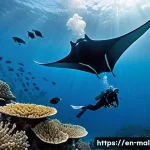
And let’s not forget the ocean! The Maldives, after all, is defined by its surrounding waters. Dhivehi Beys expertly incorporates elements from the sea, showcasing a truly holistic understanding of their environment.
Sea salt, specific types of seaweed, and even certain shells are used for their therapeutic properties. For example, sea salt might be used in scrubs or therapeutic baths for its mineral content and purifying effects.
Some traditional remedies also call for specific types of fish or marine life, though these are used sparingly and with great reverence. This integration of land and sea truly highlights the comprehensive nature of this healing system.
It’s not just about what grows on the land; it’s about the entirety of the island ecosystem contributing to well-being.
| Ingredient (Dhivehi Name) | Common Name | Traditional Uses in Dhivehi Beys | Key Benefits (as described by practitioners) |
|---|---|---|---|
| Karu Haa (ކަރު ހާ) | Moringa Leaf | Treating fatigue, malnutrition, inflammation, skin conditions | Rich in vitamins, minerals; anti-inflammatory, antioxidant |
| Huni (ހުނި) | Coconut | Base for medicinal oils, internal cleansing, skin hydration | Nourishing, moisturizing, anti-microbial |
| Don Gaa (ދޮން ގާ) | Coral Stone | Used in powdered form for digestive issues, bone health | Rich in calcium and minerals; helps with acidity |
| Hirundhu (ހިރުނދޫ) | Turmeric | Anti-inflammatory, wound healing, digestive aid | Powerful anti-inflammatory, antioxidant |
| Beys Fai (ބޭސް ފައި) | Medicinal Plants (various) | Tailored to specific ailments: fevers, pains, stress | Diverse therapeutic properties depending on the plant |
Modern Wellness Meets Ancient Wisdom

It’s truly exciting to see how Dhivehi Beys, an ancient practice, is now finding its place in the modern wellness landscape of the Maldives. For a long time, it was a quiet tradition, practiced within local communities, but now, some forward-thinking resorts and wellness centers are recognizing its immense value.
This isn’t just about offering another “spa treatment”; it’s about providing an authentic cultural experience that aligns perfectly with the growing global desire for genuine, effective, and sustainable well-being solutions.
I’ve noticed a significant shift, with more emphasis placed on integrating these unique traditions into the luxury experience, allowing visitors like us to truly connect with the heart and soul of the destination.
It’s the perfect blend of ancestral wisdom and contemporary comfort, making these profound healing methods accessible to a wider audience. This evolution, I believe, is crucial for both preserving the tradition and enriching the Maldivian tourism experience.
Resorts Embracing Dhivehi Beys
Imagine experiencing a soothing herbal massage with indigenous oils, not in a sterile clinic, but in a luxurious overwater villa, with the gentle lapping of waves beneath you.
That’s what’s happening in some of the more progressive resorts across the Maldives. They’re not just superficially incorporating elements; they are actively working with local practitioners, sourcing ingredients sustainably, and creating spaces where the essence of Dhivehi Beys can truly flourish.
I’ve seen menus that explicitly highlight Dhivehi Beys therapies alongside more conventional spa offerings, and believe me, the traditional options are gaining immense popularity.
Guests are seeking more than just pampering; they’re looking for meaningful experiences, and these resorts are delivering exactly that by offering deep dives into Maldivian healing culture.
It’s a wonderful way to support local traditions while enhancing your own well-being.
Cultural Preservation and Tourism’s Role
What really touched me was learning about the Maldivian government’s active role in preserving and promoting Dhivehi Beys. It’s not just seen as a quaint historical artifact; it’s recognized as a vital part of the nation’s cultural heritage.
This support is crucial, especially in an era of rapid modernization. By integrating it into tourism, they’re not only giving it a platform but also creating economic opportunities for traditional healers and local communities who cultivate the medicinal plants.
This helps ensure that the knowledge is passed down and continues to thrive. As a traveler, knowing that my choices contribute to this preservation makes the experience even more meaningful.
It’s a win-win: we get to explore and benefit from this incredible ancient wisdom, and the tradition itself gets a new lease on life, celebrated and sustained for future generations.
Embracing Dhivehi Beys on Your Maldivian Escape
So, you’re in the Maldives, surrounded by unparalleled beauty, and you’ve heard about Dhivehi Beys. How do you actually experience it? This isn’t something you just stumble upon in every corner; it often requires a bit of intention and research, but trust me, it’s absolutely worth the effort.
My best advice is to approach it with an open mind and a genuine curiosity. Don’t expect a typical Western spa experience; instead, prepare for a deeper, more culturally immersive journey.
It’s about more than just booking a treatment; it’s about engaging with a piece of Maldivian heritage. Whether you’re staying at a luxurious resort or exploring local islands, there are increasingly more ways to connect with this profound healing tradition.
It’s an opportunity to enrich your vacation beyond the postcard-perfect beaches and truly dive into the soul of the islands.
Finding Authentic Experiences
If you’re keen to try Dhivehi Beys, your best bet is to start by inquiring at your resort. Many high-end wellness resorts now proudly feature Dhivehi Beys practitioners and treatments on their spa menus.
They’ve often done the legwork to ensure authenticity and quality, bringing in skilled local healers. However, if you’re looking for an even more grassroots experience, consider visiting some of the inhabited local islands.
While less structured than resort offerings, some local guesthouses or community centers might have connections to traditional healers. I always recommend asking locals for their recommendations – they often know the most genuine practitioners.
Just be sure to communicate your intentions clearly and respectfully. It’s an invaluable chance to connect directly with the culture and its people, moving beyond the typical tourist facade.
Preparing for Your Traditional Session
What should you expect when you book a Dhivehi Beys session? Firstly, prepare for a conversation. Healers often take time to understand your overall health, any specific ailments, and even your lifestyle, to tailor the treatment to your individual needs – remember that focus on *Vaai*, *Pitthi*, and *Bodu*?
They might ask about your diet, sleep patterns, and emotional state. My personal experience taught me that being open and honest really helps the practitioner understand how best to help you.
The treatments themselves vary widely, from herbal massages and oil applications to poultices and specialized dietary recommendations. It’s not always about immediate dramatic results but often about a gentle, cumulative healing process.
So, relax, breathe deeply, and allow yourself to be immersed in this ancient, soothing world. It’s a unique way to deepen your connection to yourself and to the magical islands around you.
Why This Ancient Tradition Still Matters Today
After all my experiences and learning about Dhivehi Beys, I can confidently say that this ancient tradition isn’t just a relic of the past; it’s profoundly relevant, perhaps even more so, in our modern world.
We live in an era of constant stimulation, stress, and often, a disconnect from our natural rhythms and the environment. Dhivehi Beys offers a powerful antidote to this.
It encourages us to slow down, listen to our bodies, and reconnect with nature’s innate healing wisdom. It’s a gentle reminder that true well-being isn’t about chasing the latest fad but about finding balance, respecting our unique constitutions, and harnessing the power of the natural world around us.
This tradition, steeped in centuries of observation and trust, provides a sustainable and holistic pathway to health that I believe many of us are unknowingly searching for.
A Holistic Approach to Modern Stress
In our increasingly complex lives, where stress often manifests in myriad physical and emotional forms, the holistic perspective of Dhivehi Beys is incredibly valuable.
It doesn’t compartmentalize symptoms; it looks at the whole person. Feeling overwhelmed? A Dhivehi Beys practitioner might not just offer a calming massage, but also suggest dietary adjustments, specific herbal remedies, and mindfulness practices, all aimed at restoring overall balance to your *Vaai* (wind) element, which is often linked to anxiety and restlessness.
This integrated approach, addressing the root cause rather than just the symptoms, is something I deeply appreciate. It moves beyond superficial fixes and aims for a more profound, lasting sense of peace and well-being.
It’s about building resilience from within, a skill we all desperately need in today’s fast-paced world.
Sustainability and Indigenous Wisdom
Finally, Dhivehi Beys stands as a beautiful example of sustainable living and the immense value of indigenous wisdom. In a world grappling with environmental crises and the loss of traditional knowledge, this practice offers vital lessons.
It showcases how communities can thrive by intimately understanding and respectfully utilizing their local environment. The emphasis on local, sustainably harvested ingredients not only makes it eco-friendly but also inherently connected to the specific ecology of the Maldives.
By supporting Dhivehi Beys, we’re not just supporting individual health; we’re also supporting cultural preservation, ecological stewardship, and a way of life that values harmony with nature above all else.
It’s a powerful narrative that reminds us that often, the most effective and sustainable solutions can be found by looking back at the wisdom of those who lived closest to the earth.
Wrapping Things Up
As my journey into the heart of Dhivehi Beys comes to a close, I’m left with such a profound appreciation for this ancient Maldivian healing art. It’s more than just a set of remedies; it’s a testament to human resilience, an intimate dialogue with nature, and a deeply personalized path to well-being. Experiencing it firsthand truly opened my eyes to the wisdom that lies in living in harmony with our environment and understanding our own unique inner balance. It’s a powerful reminder that sometimes, the oldest traditions hold the most potent answers to our modern ailments, offering a genuine connection to health and heritage.
Handy Tips for Your Wellness Journey
For those of you inspired to explore the world of Dhivehi Beys or simply curious about elevating your own wellness routine, here are a few actionable insights I’ve gathered:
1. Seek Authenticity: When in the Maldives, prioritize resorts or local centers that explicitly feature Dhivehi Beys and employ genuine local practitioners. A quick chat with hotel staff or island residents can often point you to the most authentic experiences. It truly makes a difference to feel the centuries of knowledge behind the hands that heal you.
2. Embrace the Holistic View: Remember that Dhivehi Beys addresses the body, mind, and spirit. Approach your sessions with an open mind, ready to discuss not just physical symptoms but also lifestyle, diet, and emotional well-being for a truly comprehensive treatment. This integrated approach is what makes it so uniquely effective, moving beyond surface-level fixes.
3. Ask About Local Ingredients: Don’t hesitate to inquire about the herbs, oils, and other natural elements used in your treatment. Understanding their origins and properties deepens your connection to the practice and the Maldivian environment. Plus, it’s fascinating to learn about the island’s natural pharmacy first-hand!
4. Integrate Small Changes: Even if you can’t have a full Dhivehi Beys treatment at home, you can adopt its principles. Think about incorporating natural ingredients into your diet, practicing mindfulness, and listening to your body’s subtle signals for balance. It’s about building a consistent, natural approach to your daily wellness.
5. Support Local: By choosing Dhivehi Beys experiences, you’re directly contributing to the preservation of Maldivian cultural heritage and supporting local communities. It’s a beautiful way to ensure this invaluable tradition continues to thrive for generations to come, and your travel choices truly make an impact.
Key Takeaways to Ponder
Reflecting on everything, a few crucial points about Dhivehi Beys really stand out to me. Firstly, its profound respect for nature and its resources is something we can all learn from. The way islanders have sustainably used their environment for healing for centuries is truly inspiring, showcasing a harmonious relationship rather than one of exploitation. It’s a blueprint for living in true ecological balance. Secondly, the emphasis on personalized healing, understanding each individual’s unique constitution (Vaai, Pitthi, Bodu), is a refreshing departure from generic, one-size-fits-all approaches. It reminds us that our bodies have distinct needs and rhythms, and true wellness lies in acknowledging and nurturing them. Lastly, the resilience and adaptability of this tradition, evolving through time while retaining its core wisdom, speaks volumes about its enduring power and relevance in our ever-changing world. It’s a beautiful example of how ancient knowledge can not only survive but also flourish and offer profound insights for contemporary well-being, grounding us in what truly matters.
Frequently Asked Questions (FAQ) 📖
Q: What exactly is Dhivehi Beys and what makes it so unique compared to other traditional medicines I might have heard of?
A: Oh, this is a brilliant question to kick us off! From what I’ve learned, and honestly, from my own experience, Dhivehi Beys is truly fascinating because it’s like a beautiful tapestry woven from so many different cultures and centuries of local island wisdom.
It’s the traditional Maldivian system of medicine, and the name itself, “Dhivehi Beys,” literally means “Islanders’ Medicine.” What makes it stand out is its deep roots in the Maldivian environment – think indigenous plants, oils, and marine elements that are native to these stunning islands.
But here’s the cool part: because the Maldives was historically a crossroads for traders and travelers, Dhivehi Beys actually absorbed healing secrets from all sorts of places!
You’ll find influences from Ayurvedic practices, Islamic Unani traditions, and even hints of ancient Arab, Persian, Chinese, and Greek medicinal philosophies.
It’s truly a global blend, localized to the Maldivian way of life. At its heart, Dhivehi Beys operates on the philosophy that good health isn’t just about treating symptoms; it’s about achieving a perfect balance of the ‘humours’ within your body – often thought of as balancing hot, cold, and dry elements.
This holistic approach sees the body, mind, and spirit as interconnected with nature itself. When I was exploring it, I really felt that deep connection to the islanders’ intimate knowledge of their unique environment.
They use everything from the common coconut oil – a true staple! – to neem leaves, moringa, aloe vera, and even specific barks and roots found only on these islands.
It’s not just a set of treatments; it’s a living testament to resilience and harmony with nature, passed down through generations. Honestly, it’s so much more personal and organically integrated than any traditional medicine system I’ve encountered before!
Q: I’m planning my dream trip to the Maldives! Where can I actually experience authentic Dhivehi Beys treatments, and what should I expect?
A: That’s awesome that you’re heading to the Maldives – you’re in for such a treat, especially if you dive into Dhivehi Beys! The great news is that this ancient tradition is really finding its place in modern wellness tourism.
Many luxury resorts are now beautifully integrating Dhivehi Beys elements into their spa menus. Places like Kurumba Maldives, Nova Maldives, and even JOALI BEING are known for offering experiences that blend traditional Maldivian ingredients and techniques with contemporary spa luxury.
You can expect indulgent treatments like massages using warm coconut oil infused with tropical herbs, invigorating scrubs made from local sand, sea salt, and lime, or cooling aloe vera wraps that are perfect after a day in the sun.
Some resorts even offer rituals that start with a cleansing foot bath and incorporate meditation, using indigenous plants like Dhiggaa or Noni leaves for their specific healing properties.
It felt incredibly soothing and genuinely revitalizing when I tried it myself. However, if you’re like me and truly crave a deeper, more authentic cultural immersion, consider venturing beyond the resorts to some local islands.
Islands like Thinadhoo, Dhigurah, or Felidhoo might offer opportunities to learn about these practices directly from community elders or local families.
While it might be a bit more off the beaten path, it’s an incredible way to see the true heart of Dhivehi Beys, sometimes even through homestay programs or cultural tours.
Just keep in mind that these experiences might be less polished than a resort spa but incredibly rich in genuine heritage. No matter where you choose, you’ll be connecting with a profound part of Maldivian culture and hopefully, feeling the rejuvenating effects these islanders have known for centuries!
Q: Do these traditional treatments really work, or are they more of a cultural experience that just feels good?
A: This is a question I hear all the time, and it’s super valid! From my perspective, Dhivehi Beys is absolutely both a powerful cultural experience and offers genuine wellness benefits that, for me, went beyond just “feeling good.” The Maldivian people have relied on these remedies for generations out of necessity, living on isolated islands where local flora and inherited knowledge were their primary sources of healing.
They weren’t just making things up – this was their survival and well-being system! They’ve used specific plants and methods to treat everything from common colds and digestive issues to skin problems and muscle pains for centuries.
The philosophy behind it, focusing on balancing your body’s internal energies, feels incredibly profound and intuitively correct. I’ve personally noticed the incredible calming and rejuvenating effects of the herbal-infused oils and natural pastes.
For example, coconut oil, a cornerstone, is packed with antioxidants and vitamin E, and when combined with other local herbs, it’s not just a pleasant scent, it truly nourishes the skin and eases tension.
I’ve heard stories, and even experienced a subtle but definite shift, in how it addresses imbalances. While modern science is still catching up on some of these ancient practices, the historical efficacy and the deep-seated trust of the Maldivian people speak volumes.
Plus, the ritualistic aspect – sometimes including prayers or moonlit ingredient gathering – adds a spiritual dimension that, for me, amplifies the healing.
It’s a profound connection to nature and a reminder that wellness isn’t always found in a pill, but often in the wisdom of our ancestors and the gifts of the earth.
Trust me, it’s much more than just a feel-good session; it’s a deep dive into genuine, time-tested well-being.